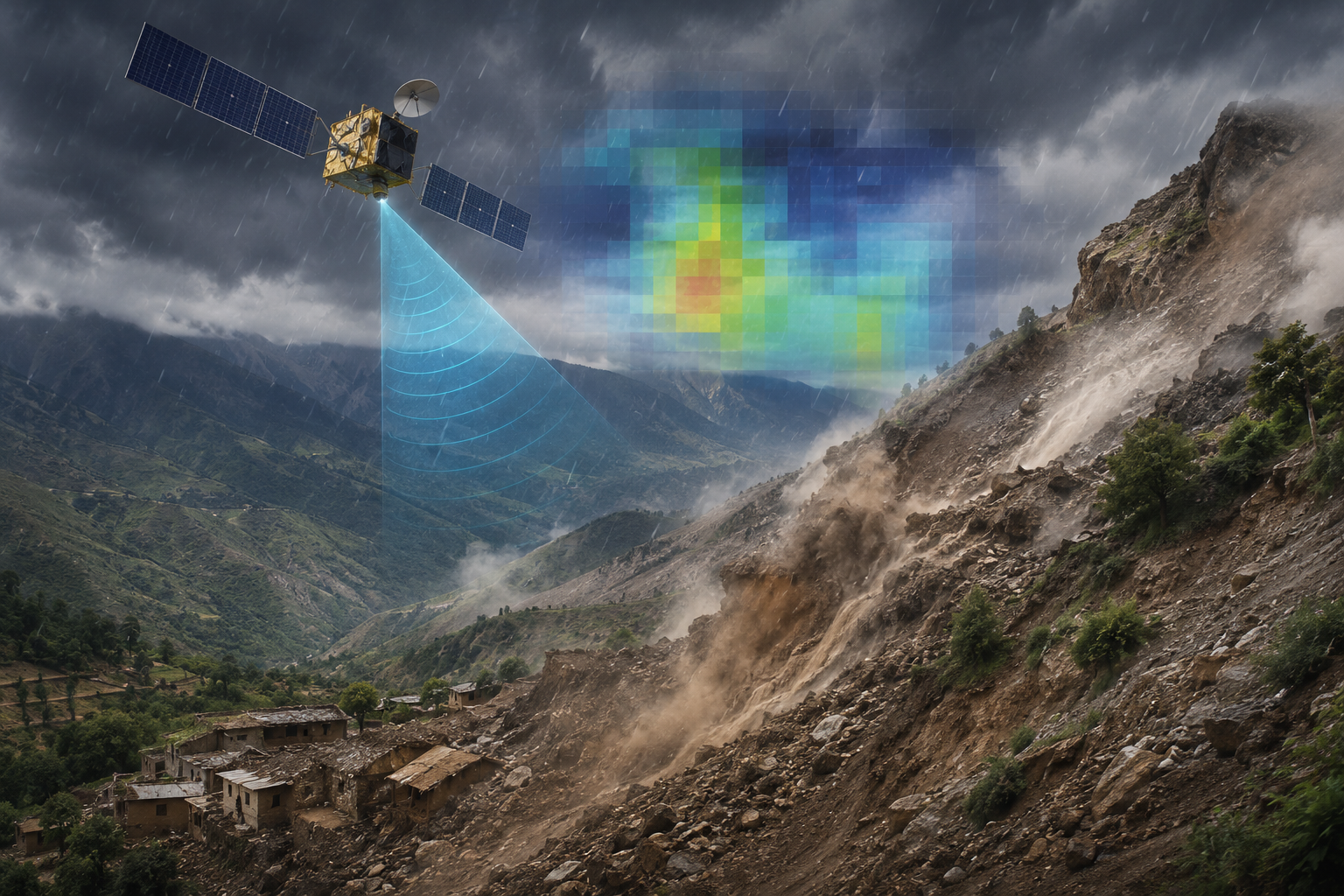
Every year, thousands of people around the world lose their lives, homes, and livelihoods because of landslides. In Afghanistan, landslides are among the country's deadliest natural hazards, yet they often receive far less attention than floods.
Editorial Desk
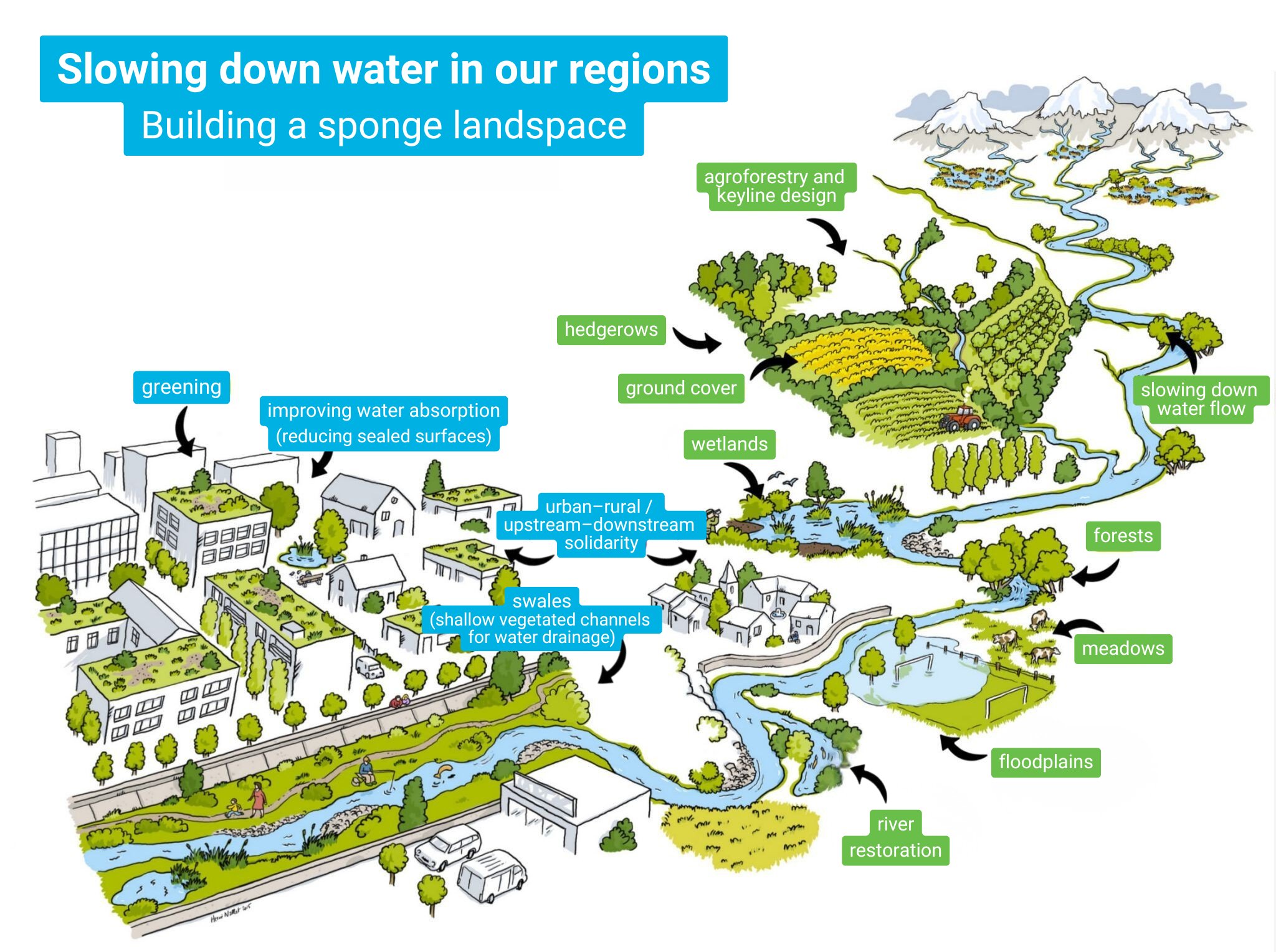
The United Nations Human Settlements Programme (UN-Habitat) has underscored the importance of adopting the “sponge landscape” approach as a sustainable solution to Afghanistan’s growing water scarcity. This innovative method focuses on slowing surface runoff and increasing rainwater infiltration into the soil, thereby enhancing natural water storage and reducing water loss.
According to UN-Habitat, sponge landscapes can contribute to the development of greener, cooler, and more resilient urban and rural environments. By managing rainwater across rooftops, streets, agricultural fields, and open land, this approach supports climate-adaptive settlements capable of withstanding both droughts and heavy rainfall.
UN-Habitat recommends implementing sponge city solutions in urban centers, including Kabul, by guiding rainwater into underground aquifers and natural storage systems. These measures can significantly reduce pressure on existing water resources while improving long-term water security.
The approach also emphasizes the integration of agroforestry and water-sensitive landscape design, such as forests, grasslands, wetlands, floodable agricultural fields, and urban green spaces. These elements help retain rainwater, enhance groundwater recharge, and prevent unnecessary water runoff.
Furthermore, restoring rivers and shallow, vegetation-covered channels enables controlled water flow, while planting rows of trees, shrubs, and ground vegetation improves soil infiltration and reduces the risk of flooding.
UN-Habitat’s Sustainable Urban Development Programme highlights that sponge landscapes not only improve water absorption and storage, but also lower urban temperatures, strengthen ecosystems, and increase resilience to climate extremes, including prolonged droughts and intense rainfall events.