
| NEWS
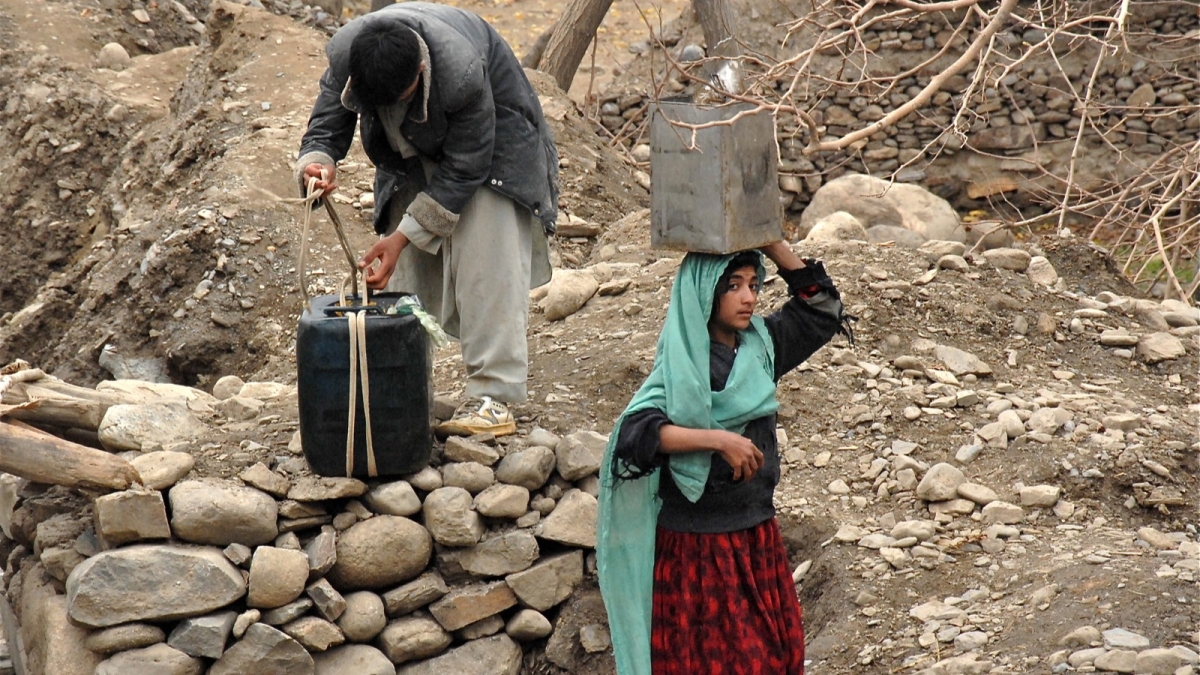
When wells run dry: Afghan women pay the price of the water crisis
Water scarcity is an environmental challenge with unequal human consequences. For women, it can mean more work, fewer opportunities and greater difficulty exercising basic rights.
Afghanistan’s water c...
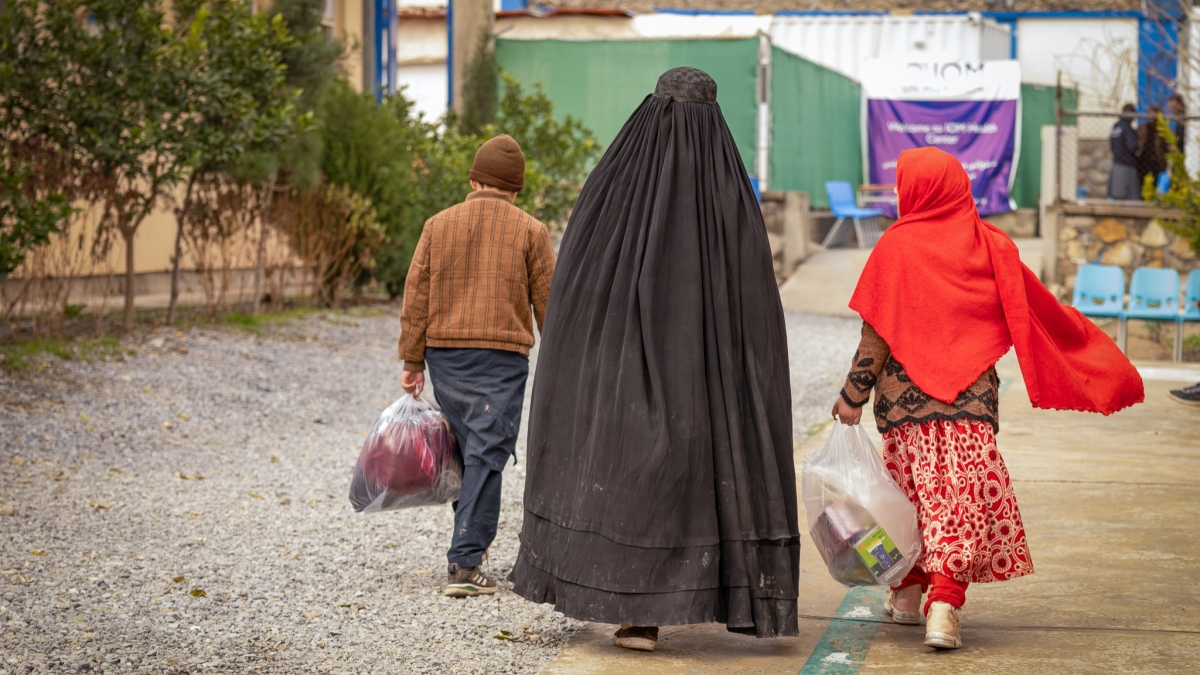
Forced to Stay: Afghanistan’s Climate Crisis and Overlooked Rights
Discussions of climate migration usually focus on people who leave their homes. Those who remain exposed to danger because they lack the means or freedom to move also need protection.
Leaving home in r...
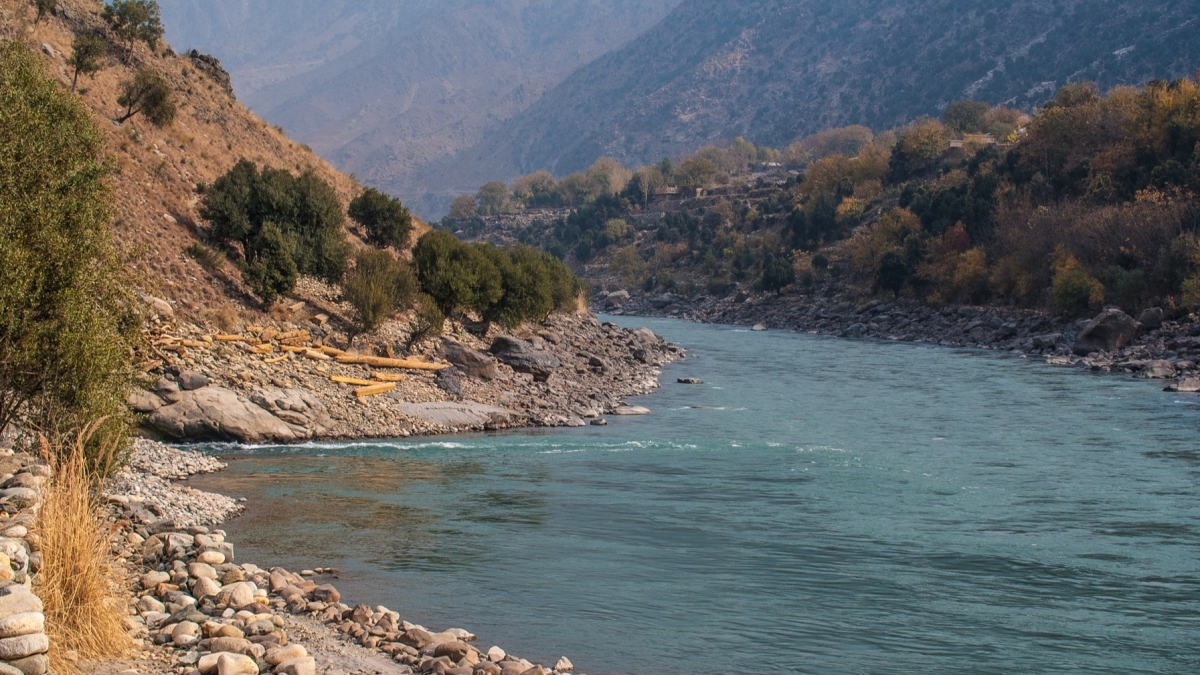
What Comes After “Peak Water”? Melting Hindu Kush Glaciers and Afghanistan’s Water Future
Glacier melt is commonly associated with increasing river flows. But this increase does not last forever. As temperatures rise, glaciers initially release more water. Once their stored ice has substan...
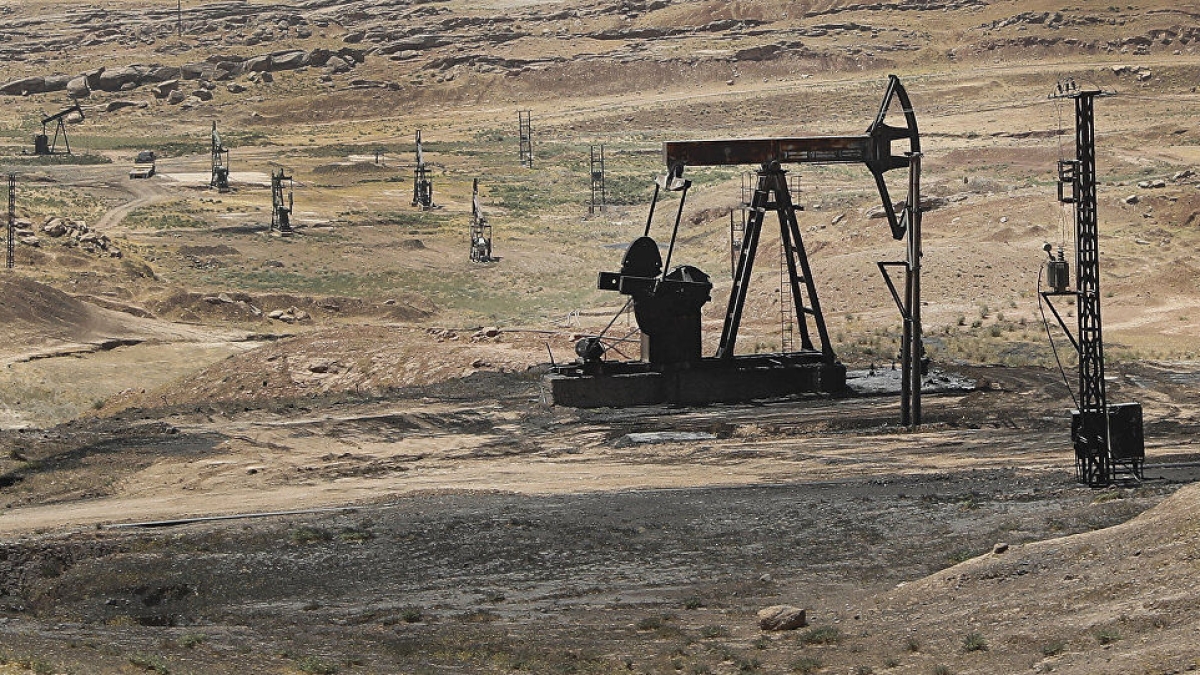
Afghanistan’s Major Oil Refinery: Energy Self-Sufficiency or a New Environmental Cost?
The Afghanistan Chamber of Commerce and Investment has announced plans to establish a joint-stock company to build a major oil refinery. According to the available information, the facility would have...
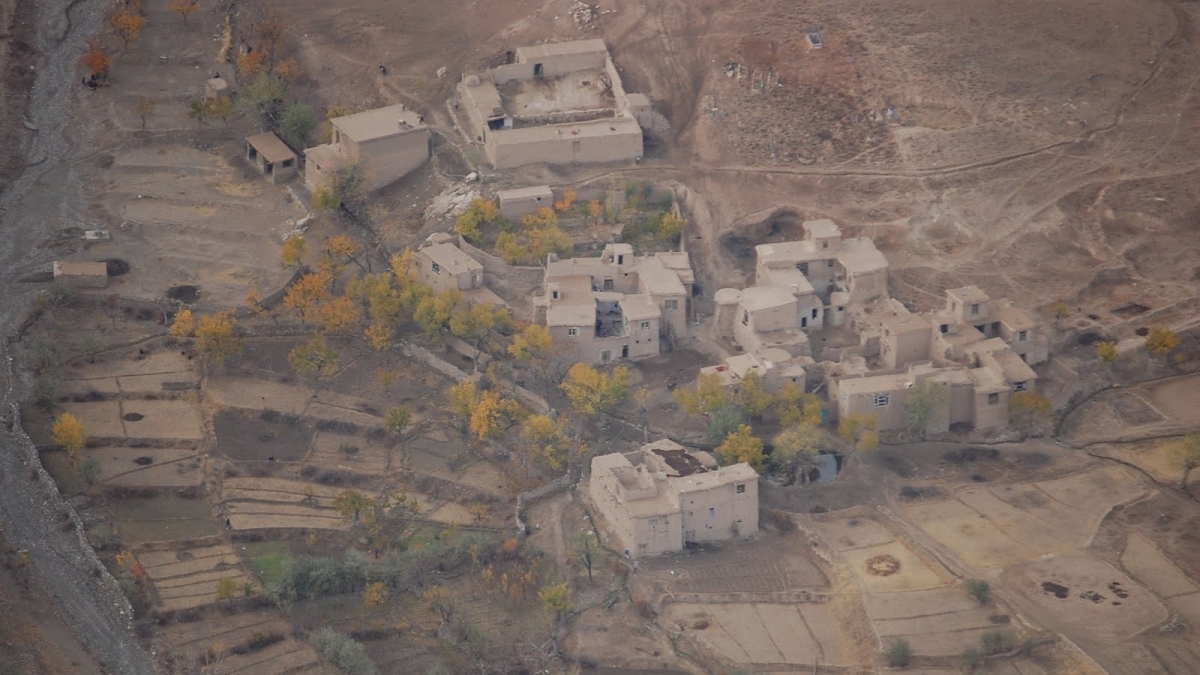
El Niño and the Coming Winter: More Rain for Afghanistan - an Opportunity or a Threat?
A strengthening El Niño could influence Afghanistan’s rainfall during the coming winter. FAO’s September seasonal climate and agricultural outlook indicates the possibility of wetter conditions—a pote...
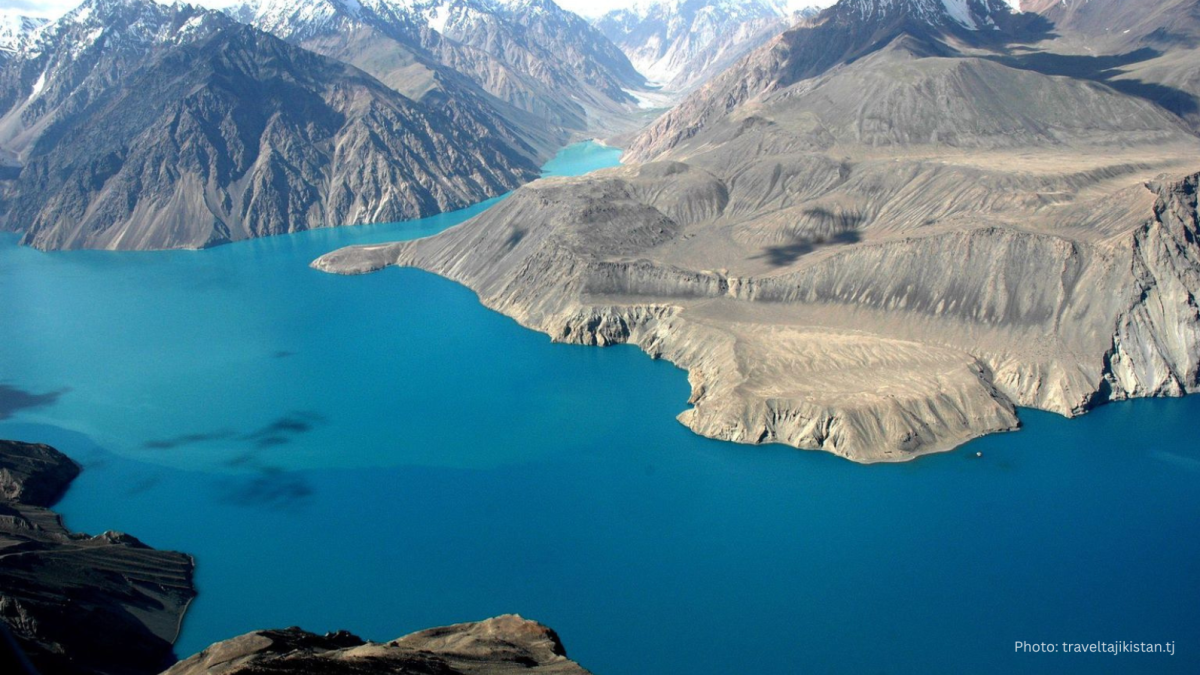
Lake Sarez: Central Asia’s Sleeping Giant Threatens Northern Afghanistan
Following the devastating landslide and flood in Nepal, discussions have emerged about the importance of early-warning systems and their effectiveness in reducing the human and material consequences o...
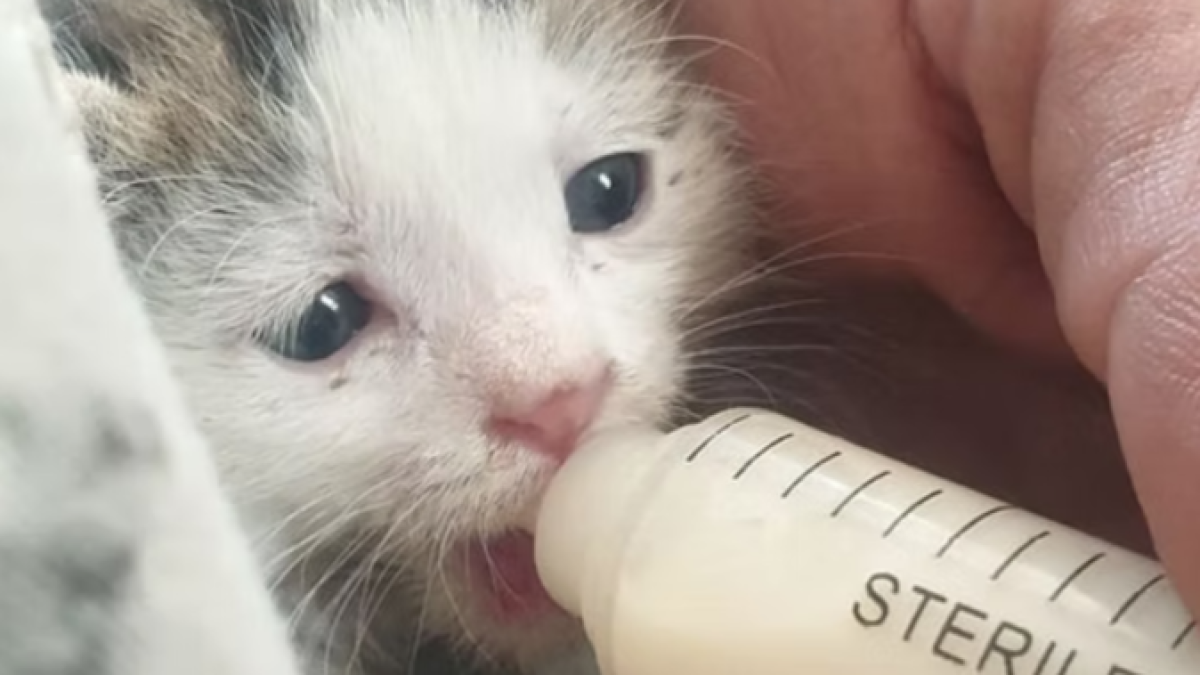
Afghanistan’s House Cats: Familiar Animals, Overlooked Lives
Every year, 8 August is observed as International Cat Day—a day dedicated not only to celebrating cats but also to raising awareness about their welfare and protection.
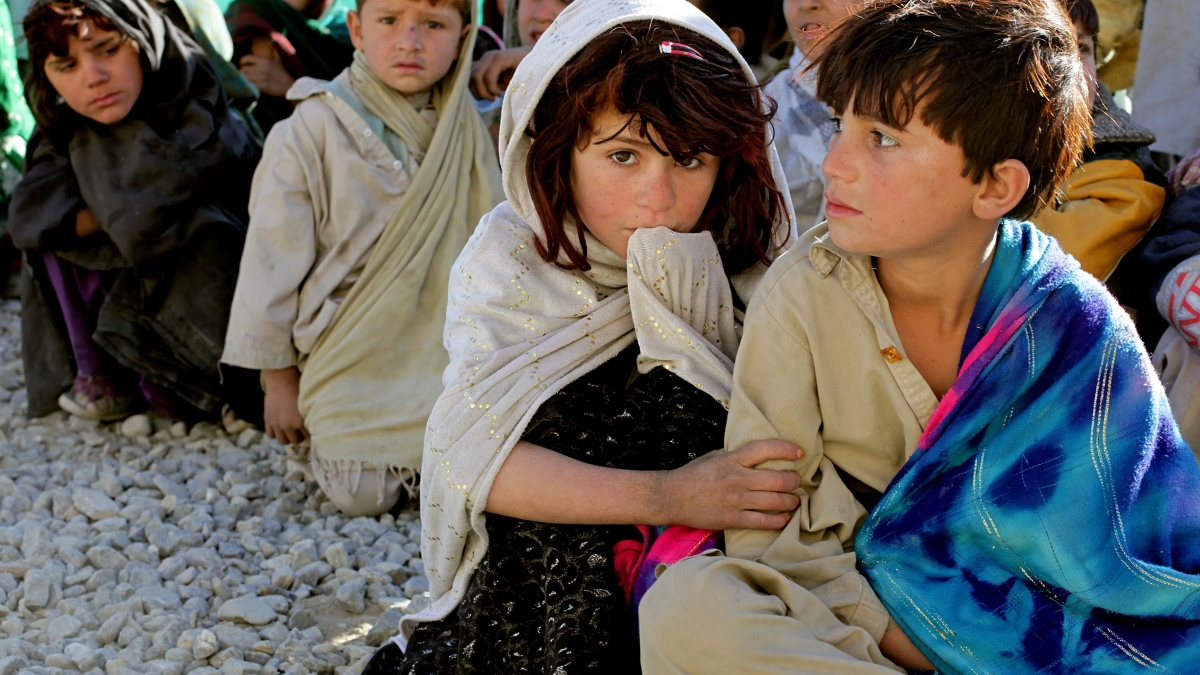
When Drought Takes Food Away from Children
Afghanistan’s malnutrition crisis has reached an alarming stage. According to the latest World Food Programme report, an estimated 3.7 million children and 1.2 million pregnant or breastfeeding women ...
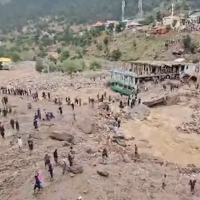
Afghanistan: Climate Change Is Making Deadly Floods the New Normal
Flash floods are becoming increasingly frequent and deadly in Afghanistan, where climate change is intensifying extreme weather despite the country's minimal contribution to global greenhouse gas emis...