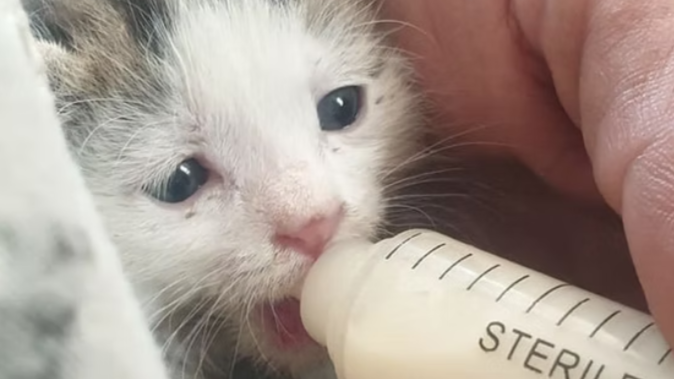
Every year, 8 August is observed as International Cat Day—a day dedicated not only to celebrating cats but also to raising awareness about their welfare and protection.
Cats are a familiar presence in Afghanistan. They live in homes, gardens, shops, markets and around farms, where they are often welcomed for keeping mice and other rodents away from food supplies. In Islam, cats are generally regarded as clean animals, which has also contributed to their acceptance in Afghan households and communities.
Yet remarkably little is known about Afghanistan’s domestic-cat population. There is no reliable national estimate of how many owned or stray cats live in the country. Most are mixed-breed domestic cats, and many move freely between households and streets. Regular vaccination, sterilisation and veterinary care remain inaccessible to much of the population.
Consequently, numerous cats face hunger, untreated injuries, disease, abandonment and exposure to Afghanistan’s extremely hot summers and cold winters. Years of conflict, poverty and humanitarian crisis have left animal welfare with limited resources and public support.
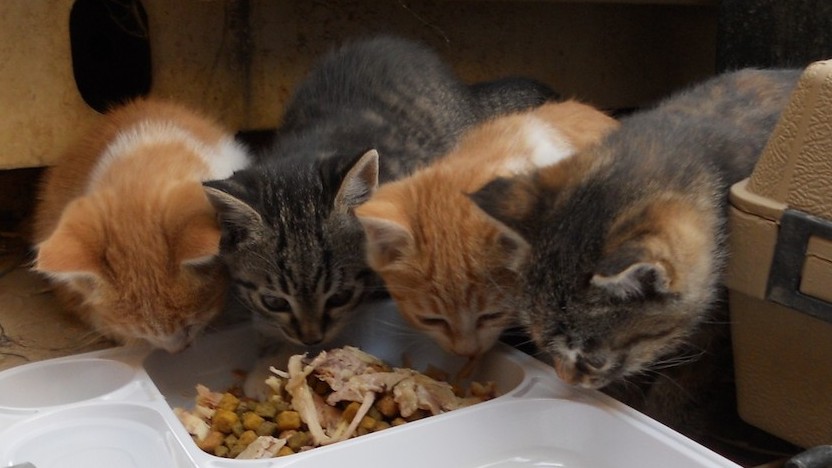
Source: Wikipedia Commons | Marco Meltzer
Despite these difficulties, two internationally supported organisations maintain animal-care operations in Kabul. Kabul Small Animal Rescue is registered both as a charitable organisation in the United States and as an NGO in Afghanistan. With administrative support from abroad, it operates veterinary and rescue services in Kabul. The US-based Afghan Stray Animal League supports Tigger House, a shelter and veterinary facility in Kabul that cares for homeless, sick and injured cats and dogs. Both initiatives depend heavily on international donations, while their animal-care work is carried out inside Afghanistan.
These organisations perform vital work, but their resources are limited compared with the scale of the need. Afghanistan requires greater support for affordable veterinary services, vaccination and sterilisation programmes, emergency animal care, public education and responsible adoption.
Domestic cats are part of Afghanistan’s urban and rural environments, yet they remain largely absent from official statistics, research and public policy. International Cat Day offers an opportunity to recognise these familiar animals—and the Afghan organisations and individuals working quietly to protect them.
MORE STORIES
Afghanistan’s Major Oil Refinery: Energy Self-Sufficiency or a New Environmental Cost?
El Niño and the Coming Winter: More Rain for Afghanistan - an Opportunity or a Threat?