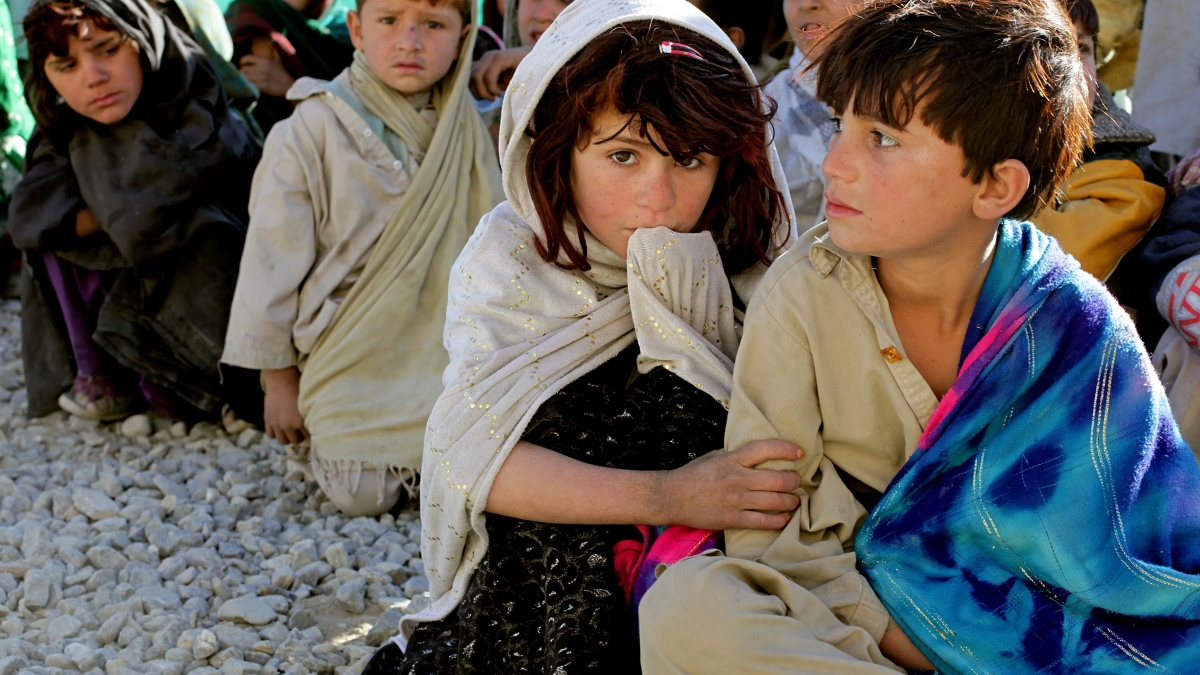
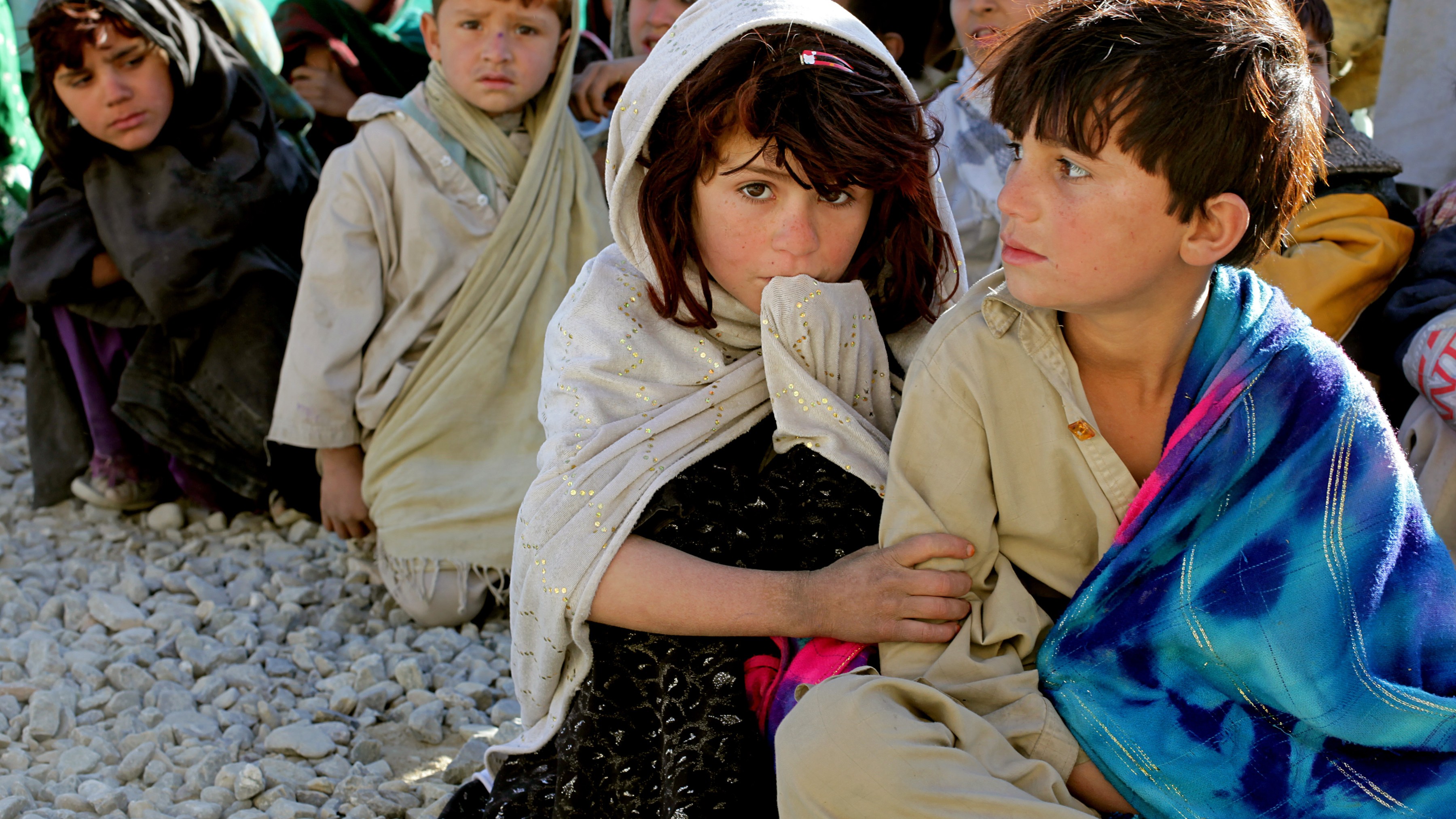
Afghanistan’s malnutrition crisis has reached an alarming stage. According to the latest World Food Programme report, an estimated 3.7 million children and 1.2 million pregnant or breastfeeding women in Afghanistan are expected to experience acute malnutrition in 2026. Child malnutrition has reached critical levels in one-third of the country’s provinces.
At the same time, Afghanistan is experiencing its sixth consecutive year of meteorological and hydrological drought. Declining rainfall, depleted water resources, extreme heat and increasingly irregular precipitation are placing agriculture and livestock farming under severe pressure and making the livelihoods of millions of rural families more vulnerable.
When water becomes scarce, the production of crops and animal fodder also declines. As a result, household incomes fall while food prices rise. Under these conditions, children are often the first to suffer from a reduction in the quality and quantity of food available to their families.
Drought, however, is not the only cause of the crisis. Flash floods, poverty, rising food prices, the return of millions of migrants, disruptions to regional trade and severe reductions in international assistance have all intensified hunger and malnutrition.
The malnutrition crisis demonstrates that climate change is not only an environmental issue. It is directly connected to children’s health, food security and future. A sustainable response requires more than emergency food assistance: it also demands the protection of water resources, investment in drought-resilient agriculture and support for rural livelihoods.
MORE STORIES
Afghanistan’s Major Oil Refinery: Energy Self-Sufficiency or a New Environmental Cost?
El Niño and the Coming Winter: More Rain for Afghanistan - an Opportunity or a Threat?