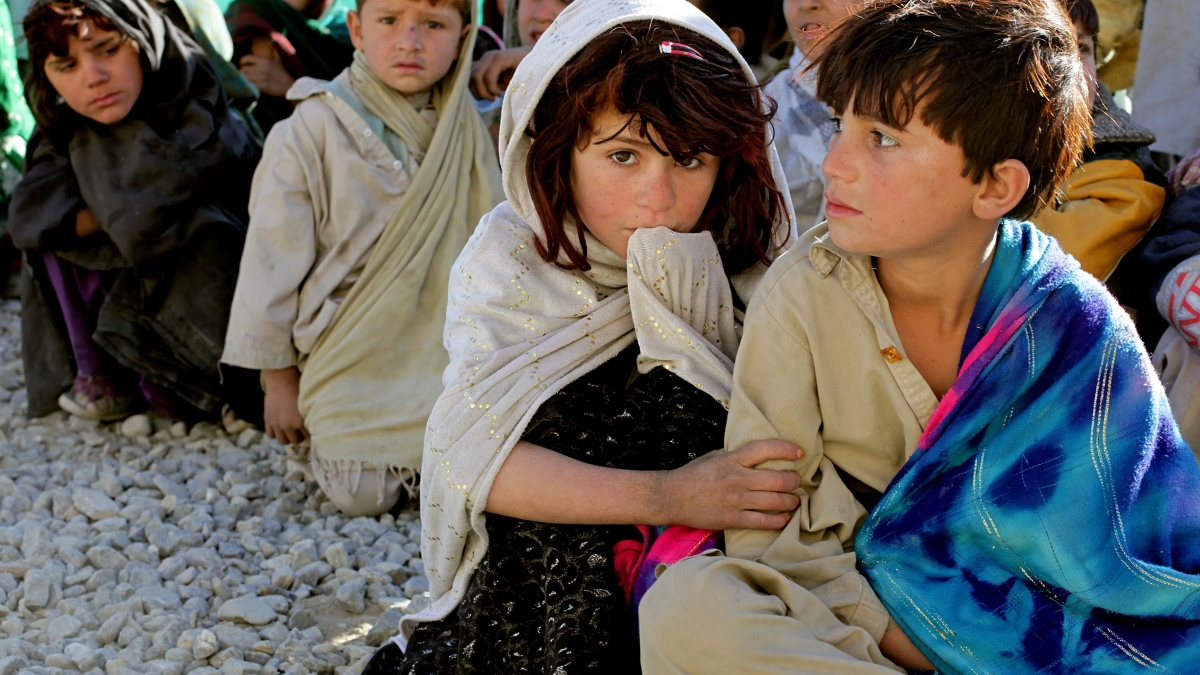
A strengthening El Niño could influence Afghanistan’s rainfall during the coming winter. FAO’s September seasonal climate and agricultural outlook indicates the possibility of wetter conditions—a potentially encouraging development after years of drought and declining water reserves.
Additional rain and mountain snowfall could help replenish groundwater, improve river flows, restore pastures and support winter crops. In recent years, reduced precipitation and falling groundwater levels have placed considerable pressure on Afghanistan’s farmers, livestock owners and rural communities.
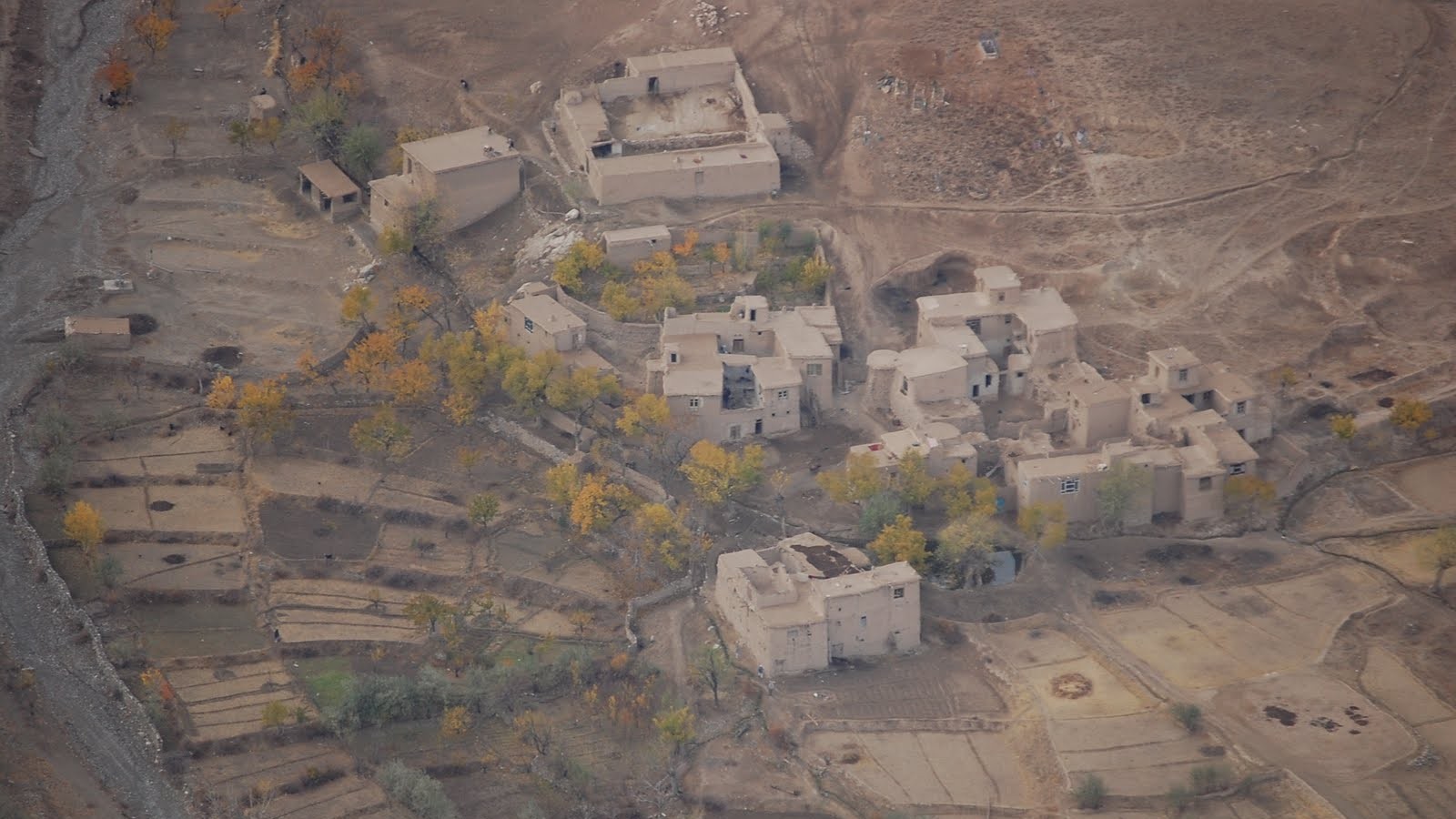
However, more precipitation does not necessarily mean an end to the country’s water crisis. Dry and degraded soil often cannot absorb intense rainfall quickly. As a result, heavy rain may generate flash floods, accelerate soil erosion and trigger landslides. Settlements, farmland and roads situated in narrow valleys or beside rivers would face particularly high risks.
The World Meteorological Organization says El Niño is intensifying and is highly likely to persist through February 2027. Nevertheless, its effects vary considerably between regions. Seasonal outlooks describe probabilities across several months; they cannot predict the exact location, timing or intensity of individual storms.
A wetter winter could therefore become an important opportunity for Afghanistan—but only if it is accompanied by effective water management, watershed protection, clearance of flood channels and functioning early-warning systems. Without such preparation, the same precipitation that helps ease water shortages could create another emergency for vulnerable communities.
MORE STORIES
Afghanistan’s Major Oil Refinery: Energy Self-Sufficiency or a New Environmental Cost?
El Niño and the Coming Winter: More Rain for Afghanistan - an Opportunity or a Threat?