
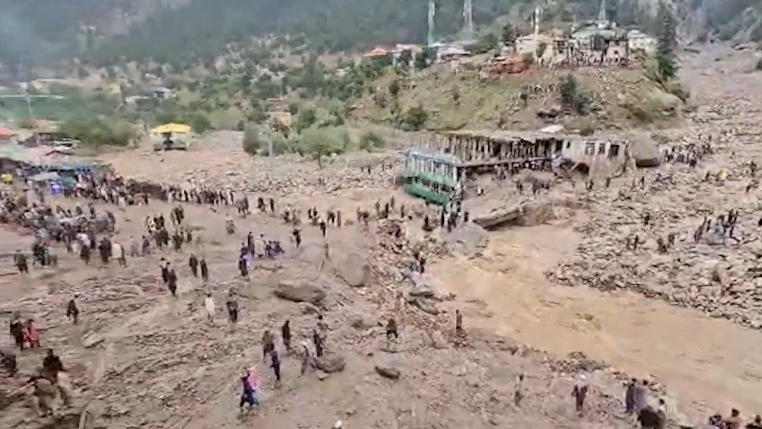
Flash floods are becoming increasingly frequent and deadly in Afghanistan, where climate change is intensifying extreme weather despite the country's minimal contribution to global greenhouse gas emissions. The latest floods in Nuristan have once again exposed the vulnerability of mountain communities, destroying homes, roads and livelihoods while leaving many families in urgent need of assistance.
Scientists warn that rising temperatures are accelerating glacier melt and increasing the intensity of heavy rainfall, making flash floods more likely. Combined with deforestation, environmental degradation and weak infrastructure, these hazards are turning seasonal floods into recurring humanitarian disasters.
Humanitarian organizations stress that Afghan communities often have little time to recover before the next disaster strikes. As climate-related emergencies become more frequent, improving early warning systems, disaster preparedness and climate adaptation has become increasingly urgent.
Source: Based on reporting by RFI (Radio France Internationale). Edited and condensed by the EQLIMA editorial team.
MORE STORIES
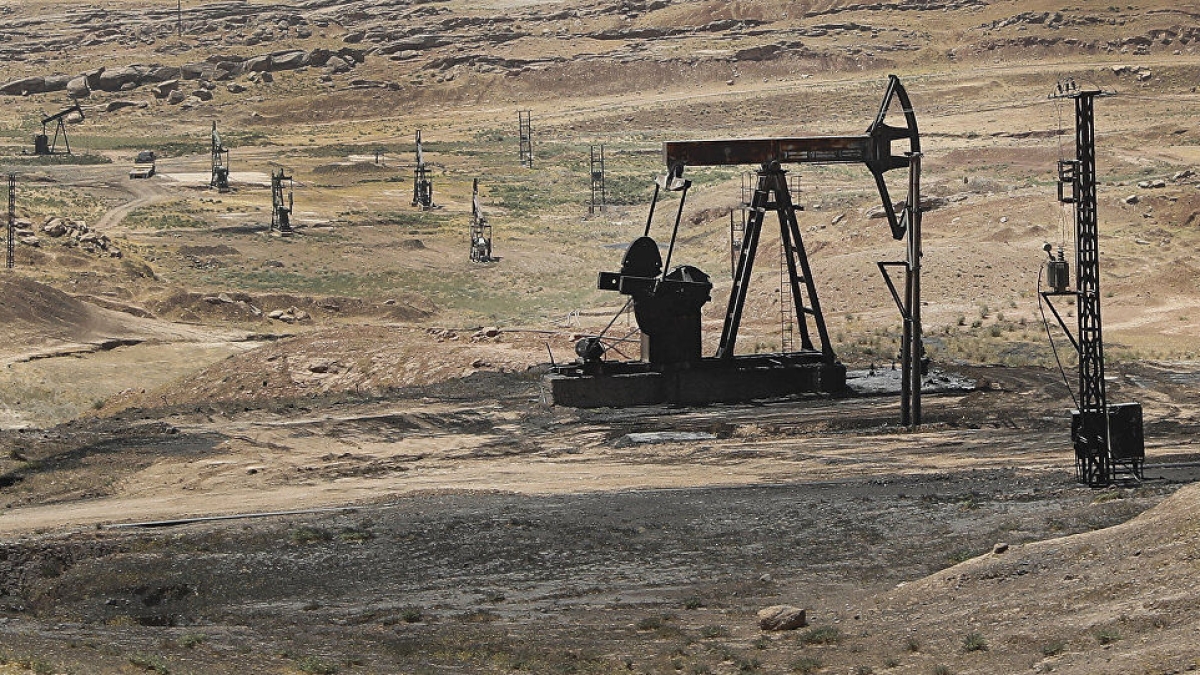
Afghanistan’s Major Oil Refinery: Energy Self-Sufficiency or a New Environmental Cost?
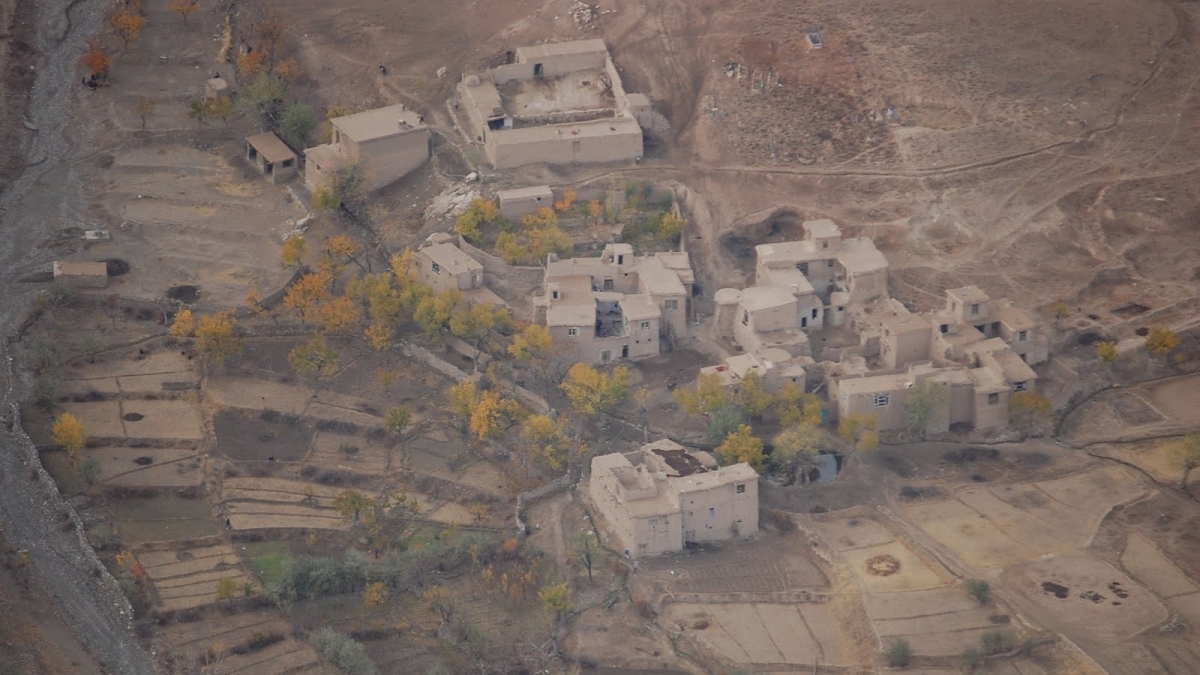
El Niño and the Coming Winter: More Rain for Afghanistan - an Opportunity or a Threat?
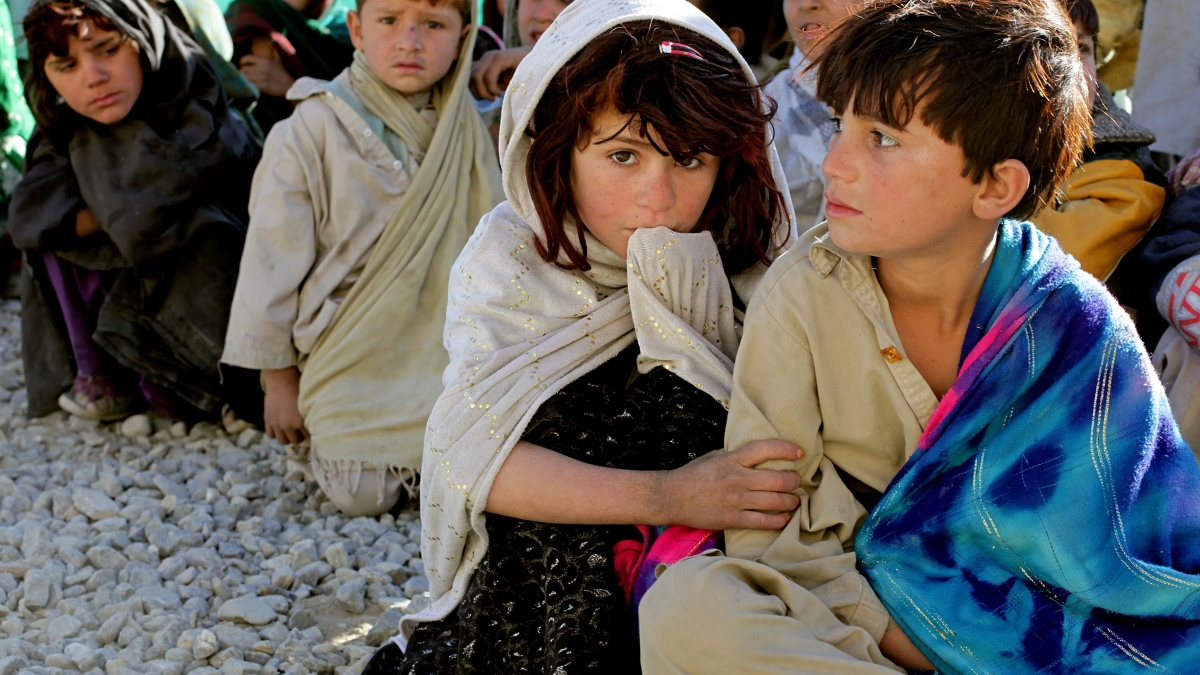
When Drought Takes Food Away from Children