Glacier melt is commonly associated with increasing river flows. But this increase does not last forever. As temperatures rise, glaciers initially release more water. Once their stored ice has substantially diminished, however, the volume of meltwater begins to decline. Scientists describe this turning point as “peak water.”
A recent assessment of the Himalayan region warns that accelerating glacier loss is bringing mountain water systems closer to this critical threshold. Although the assessment primarily focuses on the central and eastern Himalayas, peak water is also highly relevant to Afghanistan’s Hindu Kush, where rivers and mountain communities depend on water stored as snow and ice.
How does peak water occur?
A glacier functions as a long-term freshwater reservoir. Snow accumulates at high elevations over many years, gradually becoming ice. During warmer months, the ice melts slowly, helping sustain rivers, particularly during dry periods.
Rising temperatures disturb this natural cycle. At first, accelerated melting may send more water into rivers. This can create the impression that water resources are increasing, while in reality a reserve accumulated over decades or centuries is being depleted.
Eventually, a glacier becomes too small to generate its former volume of meltwater. After peak water is reached, glacier-fed runoff begins a long-term decline, even as temperatures continue rising.
Two simultaneous threats
Afghanistan could face two different but connected dangers during this transition.
The first is a short-term increase in flash floods, rockfalls, landslides and glacial lake outburst floods. Melting ice and thawing mountain permafrost can destabilise slopes. Expanding glacial lakes may also place pressure on natural barriers, potentially releasing large quantities of water without sufficient warning.
The second danger is long-term water scarcity. As glaciers shrink and snow reserves decline, rivers may carry less water during dry seasons. This could reduce irrigation supplies, affect hydropower, intensify pressure on drinking-water systems and contribute to rural displacement.
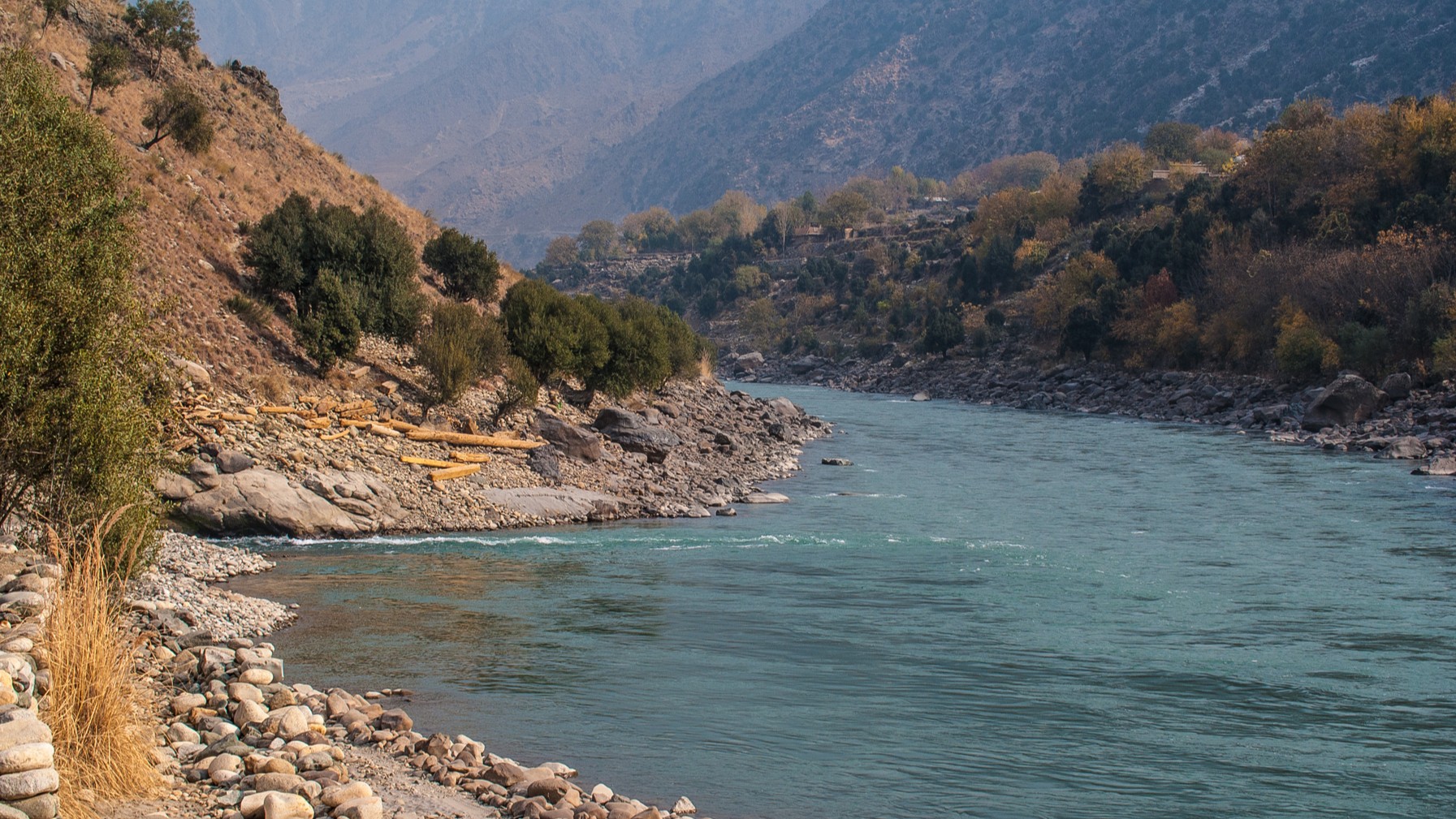
The Hindu Kush contains the headwaters or parts of the catchments of important rivers, including the Amu Darya, Kabul, Helmand and Hari Rud. However, the contribution of glacier melt differs considerably between river basins. Rainfall, seasonal snow, groundwater and water management also shape river flows. It is therefore not scientifically appropriate to assign one peak-water date to all of Afghanistan.
Afghanistan’s monitoring gap
A major challenge is the shortage of weather stations, snow measurements, field-based glacier research and functioning early-warning systems. Satellite images can reveal changes in glacier area and the formation of new lakes, but they cannot fully replace continuous measurements on the ground.
Without reliable data, it is difficult to determine which glaciers are retreating fastest, which glacial lakes threaten downstream settlements and how much river flow may change over the coming decades.
The International Centre for Integrated Mountain Development describes the Hindu Kush–Himalaya as the “water tower of Asia.” Its assessments indicate that the region’s glaciers lost ice 65% faster during 2011–2020 than in the preceding decade. Under high-emission scenarios, a large proportion of the region’s glaciers could disappear by the end of this century.
What can Afghanistan do?
The first priority should be a national inventory and monitoring programme for glaciers and glacial lakes. Potential hotspots in Badakhshan, Wakhan, Nuristan, Panjshir and other mountainous areas should be examined through a combination of satellite observation and field research.
Early-warning systems in vulnerable valleys, community training, evacuation routes and restrictions on construction in flood channels could substantially reduce casualties.
Better water management must also begin before river flows decline sharply. Protecting watersheds, restoring forests and rangelands, capturing water locally, replenishing groundwater and improving irrigation efficiency would help communities adjust to a less predictable water supply.
The glaciers of the Hindu Kush are not merely remote masses of mountain ice. They are part of Afghanistan’s natural water infrastructure. A temporary increase in river flow should not be mistaken for permanent abundance. It may instead mark the stage before decline, as an ancient reserve is consumed faster than nature can restore it.
MORE STORIES
Afghanistan’s Major Oil Refinery: Energy Self-Sufficiency or a New Environmental Cost?
El Niño and the Coming Winter: More Rain for Afghanistan - an Opportunity or a Threat?