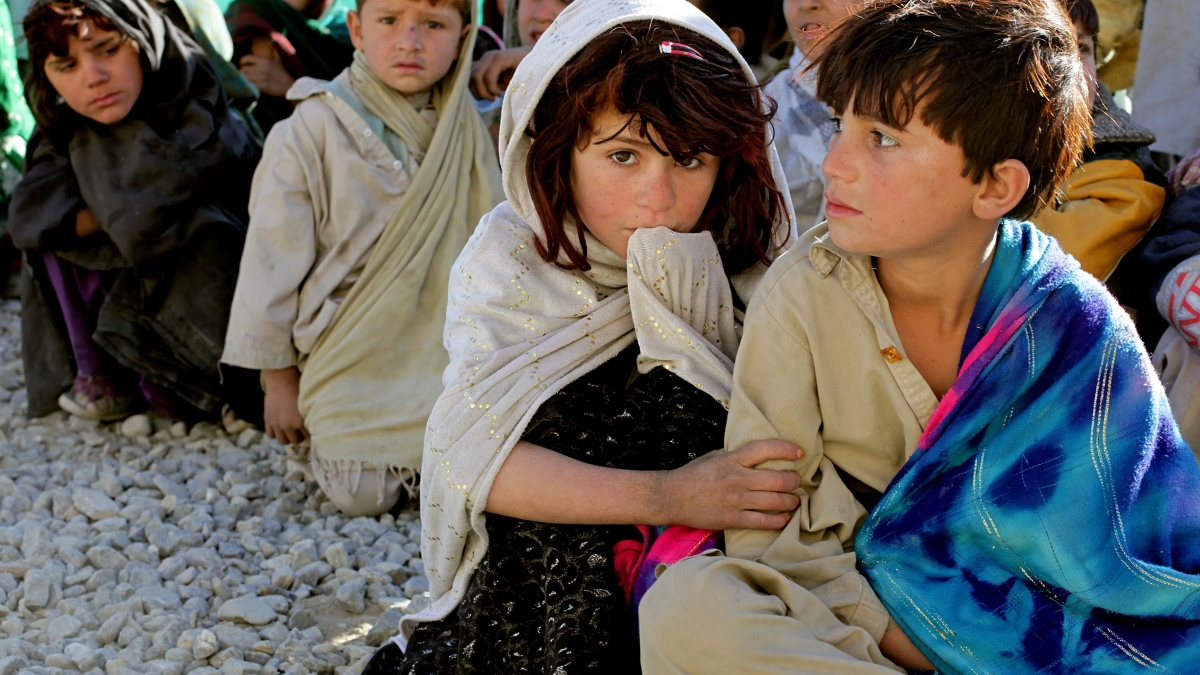
Water scarcity is an environmental challenge with unequal human consequences. For women, it can mean more work, fewer opportunities and greater difficulty exercising basic rights.
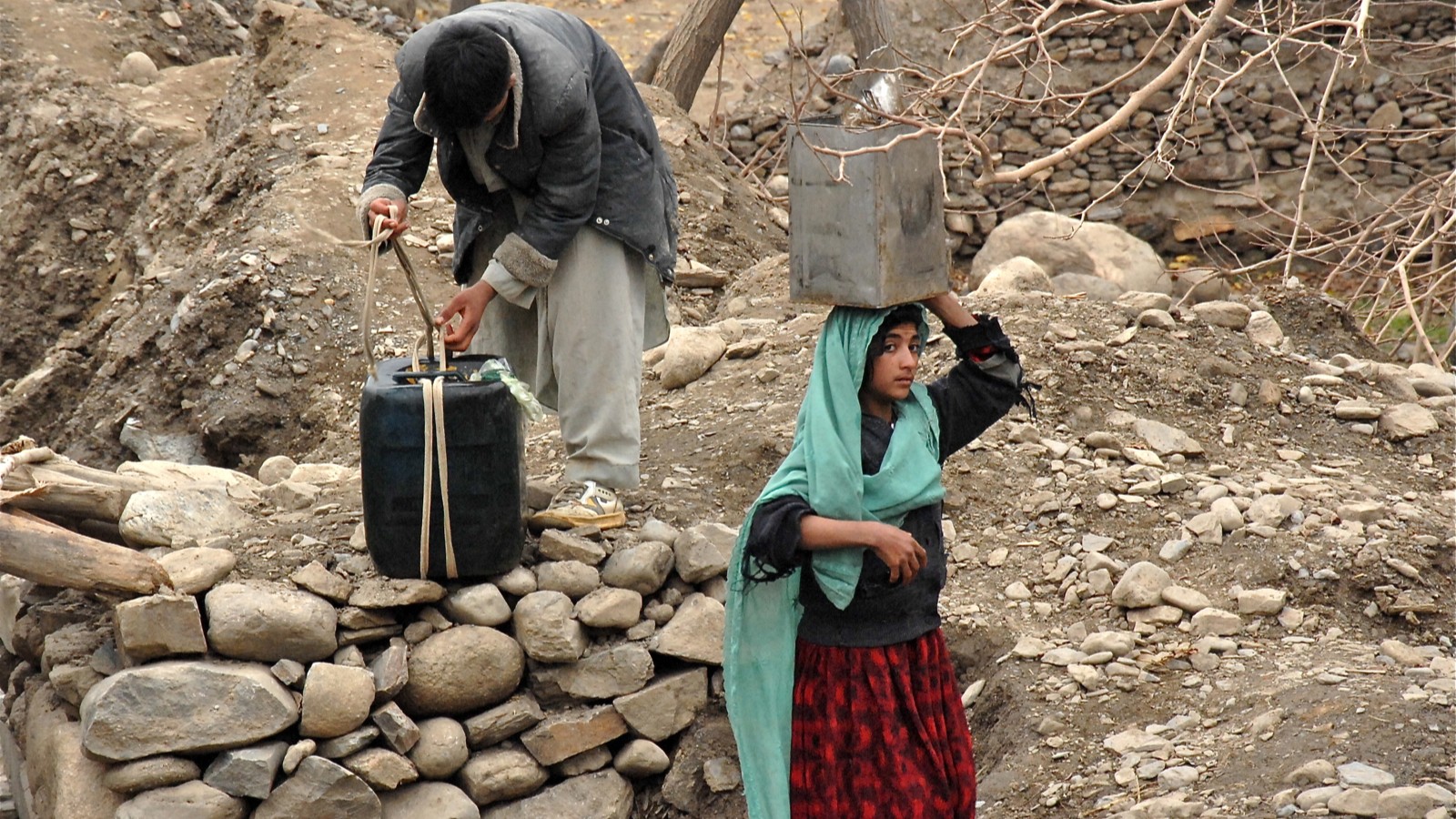
Afghanistan’s water crisis can be described through rainfall deficits and declining groundwater. Understanding its human consequences requires another set of questions: Who walks to collect water? Who pays for it? And who loses time for work, education or rest?
An Inter Press Service report published on 1 October 2026 describes women’s growing daily workload in Logar and Kabul as water sources dry up. Its accounts document longer journeys, the difficulty of carrying heavy containers and restrictions on washing to preserve drinking water.
The invisible work of securing water
Collecting, storing and managing household water is essential work. Yet it is often unpaid and receives limited attention in the planning of public services. When access deteriorates, this work requires more time and physical effort.
A gender justice approach would assess a water project beyond the volume supplied or the number of pipes installed. It would ask whether collection time has fallen, access routes have become safer and women have gained time for rest, livelihoods and their own needs.
A crisis with multiple causes
In its report of 22 March 2026, the International Committee of the Red Cross identifies drought, declining rainfall, population growth, returning migrants and uncontrolled groundwater extraction as pressures on Afghanistan’s water resources. Addressing scarcity therefore also requires better resource management and public services.
UNAMA’s assessment of 5 June 2026 links drought and water scarcity with agricultural losses, family displacement and growing competition over resources. Water security is consequently connected to livelihoods and social stability.
Water is a right
The United Nations human rights framework recognises the right to sufficient, safe, acceptable, accessible and affordable water for personal and domestic use. Water being present somewhere in a city does not, by itself, mean everyone can exercise that right.
Assessing equitable access requires examining household costs, distance, water quality and continuity of service. Women’s experiences should also inform the design and monitoring of supplies: the location of a communal tap or its distribution schedule can reshape daily life.
Solutions that reduce the burden
An equitable response requires reliable networks, water quality monitoring, groundwater protection and support for low-income households. Conservation education should accompany service improvements. Families already rationing water need better access.
Success should be measured by whether women spend less time and effort securing safe water, and whether households can meet essential needs regardless of income. This approach connects water management with the protection of health, dignity and equality.
MORE STORIES
Afghanistan’s Major Oil Refinery: Energy Self-Sufficiency or a New Environmental Cost?
El Niño and the Coming Winter: More Rain for Afghanistan - an Opportunity or a Threat?