
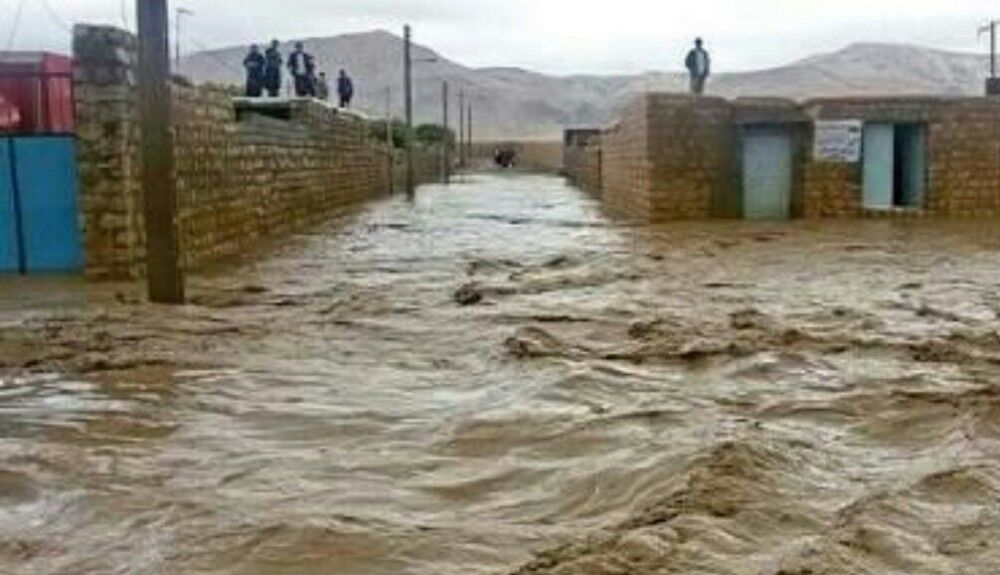
The United Nations Food and Agriculture Organization (FAO) has issued a new warning regarding the heightened risk of localized flooding in several western and southern provinces of Afghanistan. According to recent climate monitoring data, an unusual combination of rising temperatures and above-average precipitation could significantly increase flood hazards in the coming weeks.
FAO experts indicate that warmer conditions are accelerating snowmelt in mountainous regions. When combined with heavy rainfall, this rapid melting intensifies surface runoff and raises river levels, increasing the likelihood of flash floods in vulnerable districts. Rural communities situated near riverbanks, seasonal waterways, and low-lying agricultural lands face the highest risk.
At the same time, northern provinces are expected to experience warmer and drier conditions. Reduced soil moisture may negatively affect winter wheat and other staple crops, threatening food security in a country already grappling with economic fragility and climate vulnerability.
Afghanistan remains one of the countries most exposed to climate extremes despite contributing minimally to global greenhouse gas emissions. Over the past decade, communities have faced repeated cycles of droughts, floods, landslides, and harsh winters. Experts warn that without improved early-warning systems, watershed management, and climate-resilient agricultural practices, such weather variability will continue to undermine rural livelihoods.
FAO emphasizes the importance of preparedness measures, including reinforcing riverbanks, protecting irrigation infrastructure, and supporting farmers with adaptive strategies. As climate patterns grow increasingly unpredictable, local resilience and international cooperation remain crucial to preventing further humanitarian strain.