
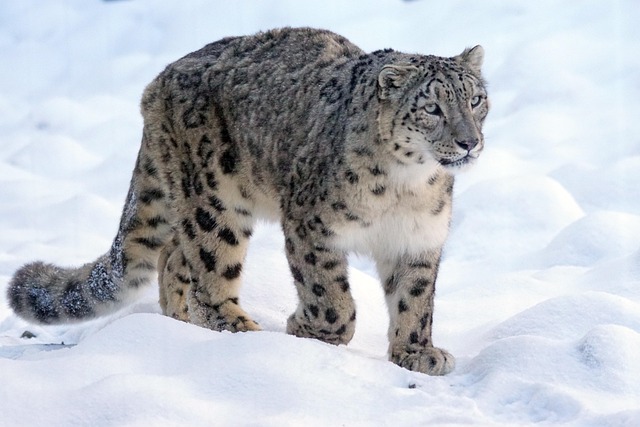
On 21st of February 2026, in the quiet village of Khandud in Wakhan district, night did not remain silent. A snow leopard descended from the mountains and attacked a herd of livestock. Ten animals were killed, and eight more were injured before villagers could react. By morning, local authorities and representatives of Wakhan National Park intervened and safely released the animal back into the wild.
For families in Wakhan, livestock is not only property—it is livelihood, food security, and survival through the long Pamiri winters. Such incidents can deeply affect already vulnerable mountain communities.
Yet this story is not only about loss.
The snow leopard, an endangered and iconic species of the high mountains, rarely approaches villages unless driven by hunger, habitat pressure, or declining wild prey. Climate change, reduced pasture quality, and shifting ecosystems are increasing tensions between wildlife and communities across fragile mountain regions like the Wakhan Corridor.
Experts note that occasional attacks on herds are part of a broader ecological imbalance. As snow patterns change and prey species migrate or decline, predators are forced closer to human settlements.
The response in Khandud reflects an important principle: coexistence. Instead of killing the animal, authorities released it. This approach protects biodiversity while opening conversations about prevention, such as reinforced livestock enclosures, community compensation schemes, and conservation partnerships.
In regions like Wakhan, protecting nature and protecting livelihoods must go hand in hand.
EQLIMA believes that climate resilience means supporting both people and ecosystems, so that the snow leopard can remain a symbol of wild beauty, not conflict.
Image by Marcel Langthim from Pixabay