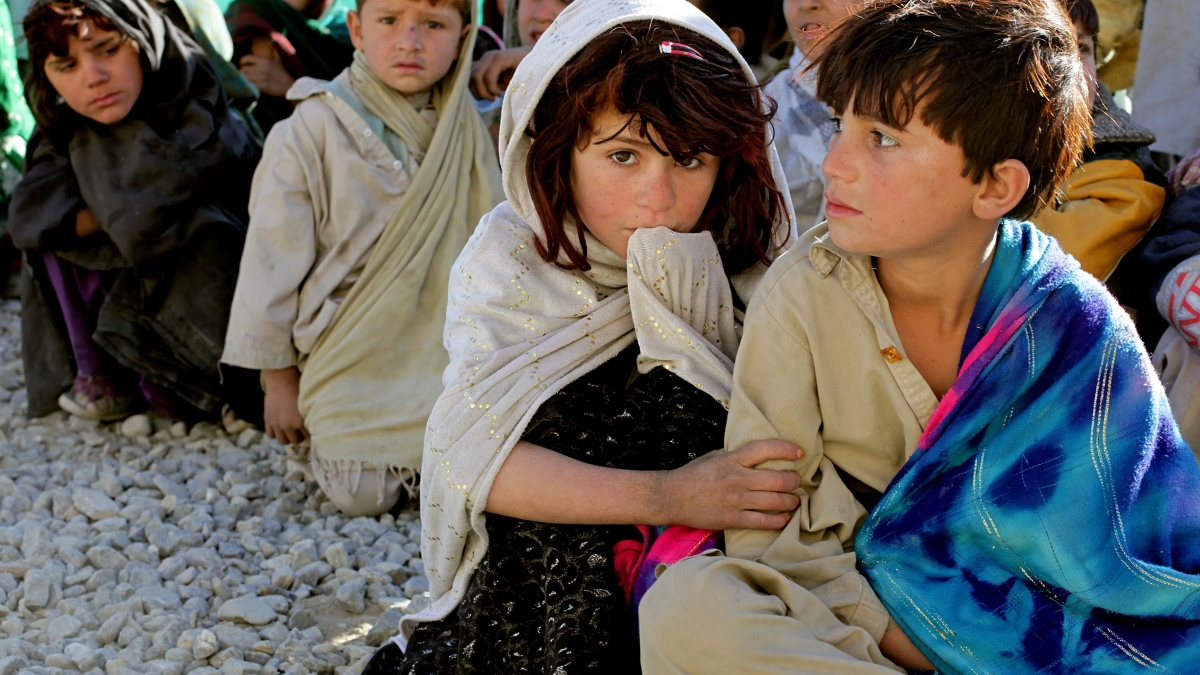
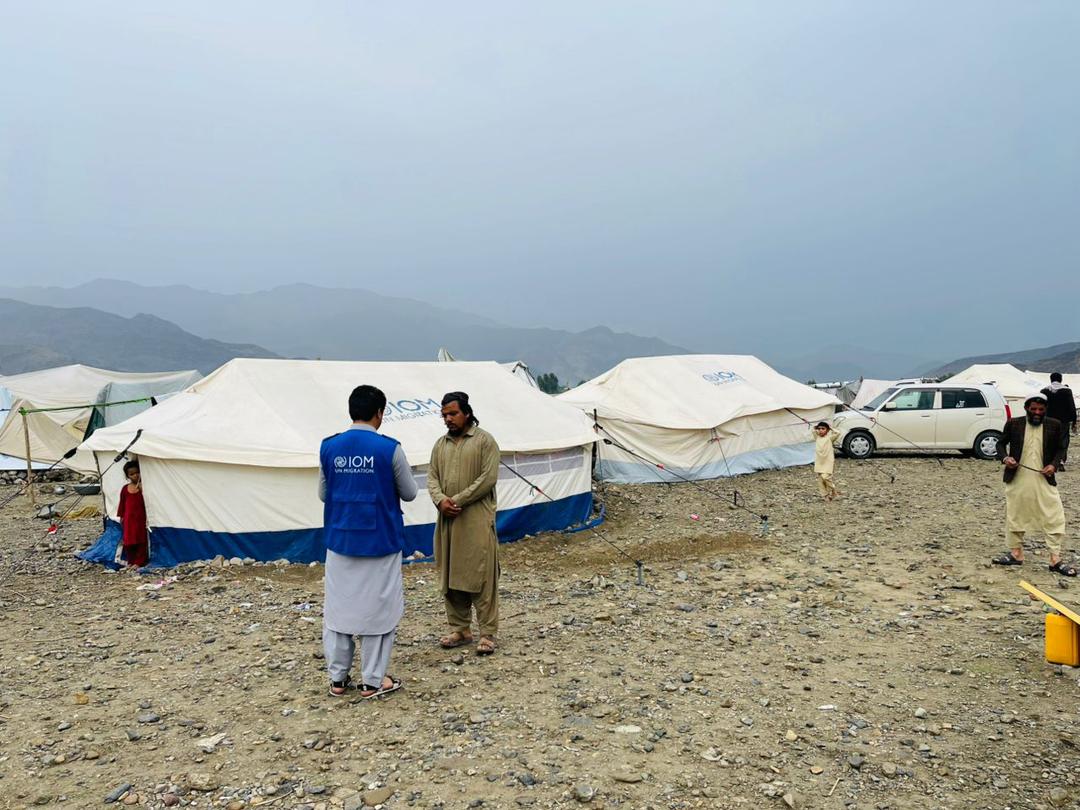
The United Nations says climate change has become the leading cause of internal displacement in Afghanistan, surpassing conflict in recent years.
Environmental pressures such as droughts, floods, and other climate-related disasters are now forcing more Afghans to leave their homes, according to UN officials.
Stephanie Luce, Country Programme Manager at UN-Habitat Afghanistan, told UN News that since the Taliban takeover in 2021, the main reason for displacement is no longer conflict, but climate change.
Afghanistan is now among the ten countries most affected by climate change globally “Since 2021, the main reason for displacement is no longer conflict, but actually climate change,” she said.
Afghanistan is now among the ten countries most affected by climate change globally. Repeated droughts, sudden floods, and land degradation have weakened livelihoods, especially in rural areas.
According to the International Organization for Migration (IOM), more than 3.06 million people are currently internally displaced in Afghanistan, representing around six percent of the population.
At the same time, a sharp rise in returning refugees is adding pressure to an already fragile situation. In 2025 alone, more than 2.8 million people returned from Iran and Pakistan, pushing the total number of returnees since late 2023 to over three million.
UN agencies warn that the combination of climate-driven displacement and mass returns is placing enormous strain on housing, infrastructure, water systems, and public services.
They are calling for urgent investment in climate resilience, sustainable housing, and basic services, warning that without long-term solutions, environmental shocks will continue to deepen the humanitarian crisis.
MORE STORIES
Afghanistan’s Major Oil Refinery: Energy Self-Sufficiency or a New Environmental Cost?
El Niño and the Coming Winter: More Rain for Afghanistan - an Opportunity or a Threat?