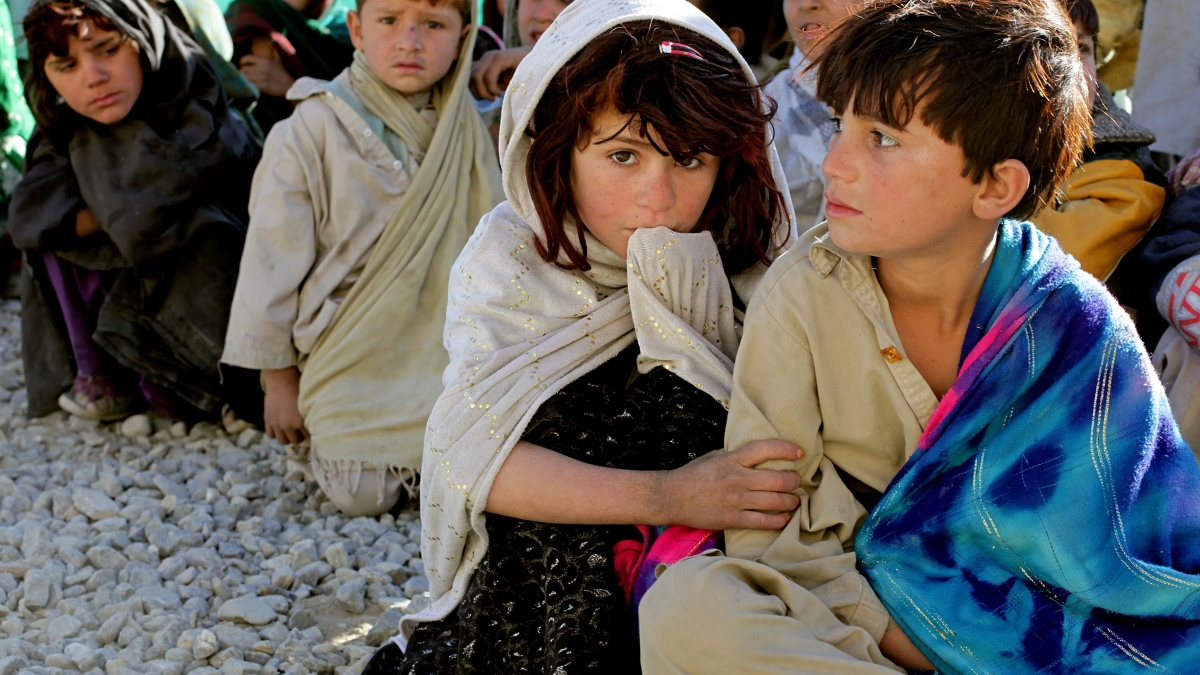
Discussions of climate migration usually focus on people who leave their homes. Those who remain exposed to danger because they lack the means or freedom to move also need protection.
Leaving home in response to danger is not an option available to everyone. Transport, shelter and the cost of establishing a life elsewhere may be beyond a household’s reach. The central question is whether staying represents a free decision or the absence of a safe alternative.
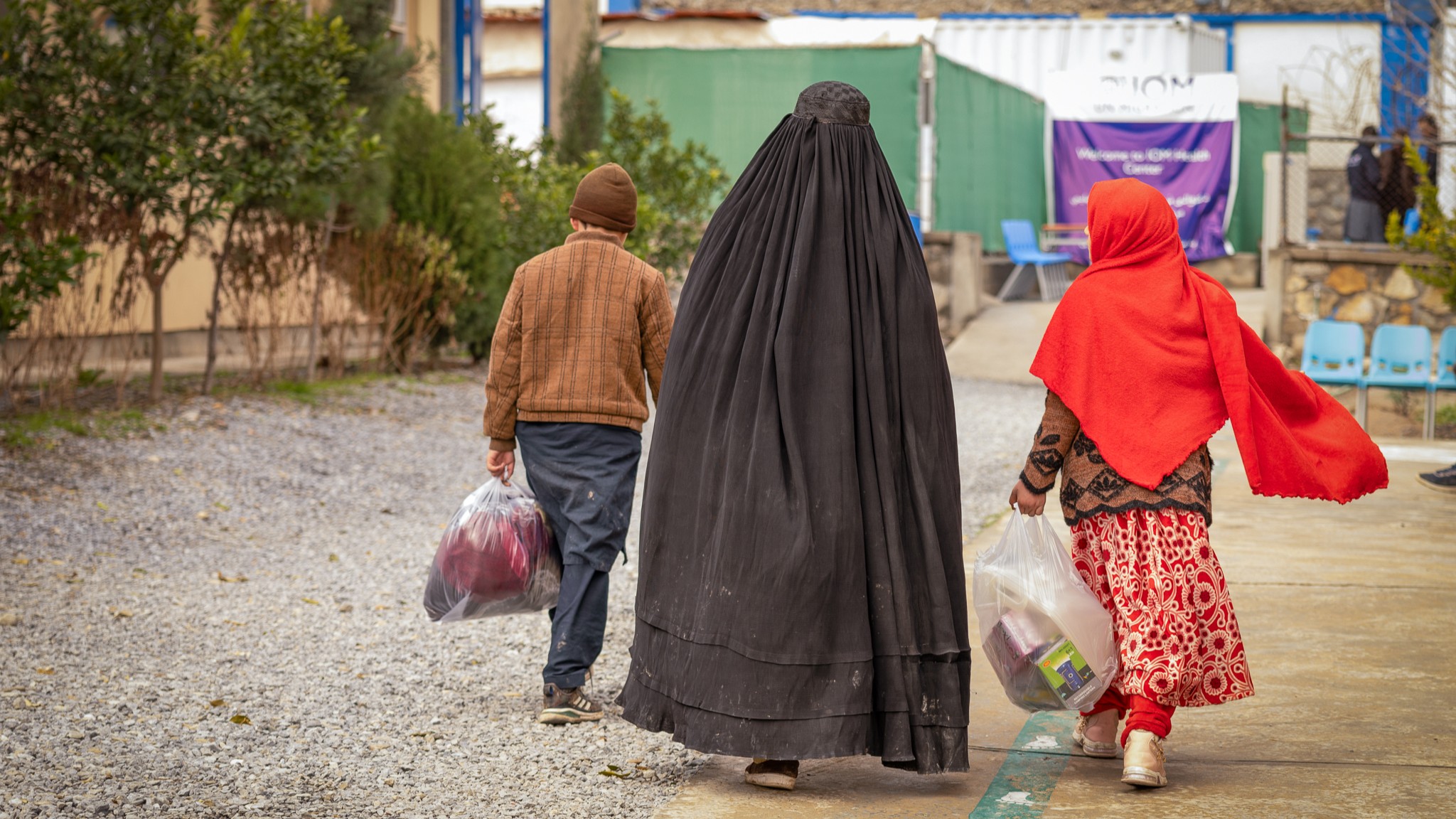
IMPACT Initiatives’ research on Afghanistan identifies poverty and, for women, movement restrictions, limited access to information and caregiving responsibilities as barriers to evacuation or relocation - even when moving would be beneficial. These findings draw attention to people whose vulnerability may remain invisible in displacement statistics.
A question of human rights
The UN Human Rights Office identifies climate change as a threat to the enjoyment of rights including life, water and sanitation, food, health and housing. Assessing climate impacts therefore requires attention to the conditions people need to live safely and with dignity.
A rights-based assessment of assistance should ask concrete questions. Does drinking water reach everyone? Can a person with limited mobility reach safety? Can a household that has lost its income obtain food and medical care?
Such questions turn the protection of rights into a practical measure of whether a response is working.
Women’s freedom and safety
UN Women has documented Taliban restrictions on women’s movement, employment, education and participation in public life, including requirements concerning a male accompanying relative, or mahram.
These restrictions matter when examining climate risks through a human rights lens. Reduced access to information, income or movement can limit a woman’s ability to make decisions about her own safety and that of her children. This is an analytical conclusion drawn from the evidence on mobility barriers and restrictions on women’s rights; its extent in any particular location requires field investigation.
Women should participate in designing warnings, selecting shelter locations and planning aid distribution. Their involvement can reveal obstacles that outside decision-makers overlook.
Safe movement and safe staying
Remaining in a village or neighbourhood does not automatically mean being trapped. Attachment to land, family and community can make staying a deliberate choice. The essential distinction is between voluntary staying and remaining because no viable alternative exists.
This article argues that a fair response should support both safe relocation for people who need it and effective assistance for those who wish and are able to remain. Water provision, livelihood support and disaster preparedness should be accompanied by accessible evacuation arrangements.
Responsibility and accountability
For the governing authorities, key questions concern removing discriminatory restrictions, ensuring equal access to services and protecting life. Humanitarian organisations and donors should also assess whether assistance reaches people unable to travel to distribution centres.
Programmes should provide ways for women, older people, persons with disabilities and low-income households to influence decisions. They should also offer safe mechanisms for complaints and correction when assistance fails.
Climate justice requires people to have a meaningful say in their safety and future. Nobody should be left exposed to danger because poverty, discrimination or restrictions on freedom have taken away their options.
MORE STORIES
Afghanistan’s Major Oil Refinery: Energy Self-Sufficiency or a New Environmental Cost?
El Niño and the Coming Winter: More Rain for Afghanistan - an Opportunity or a Threat?