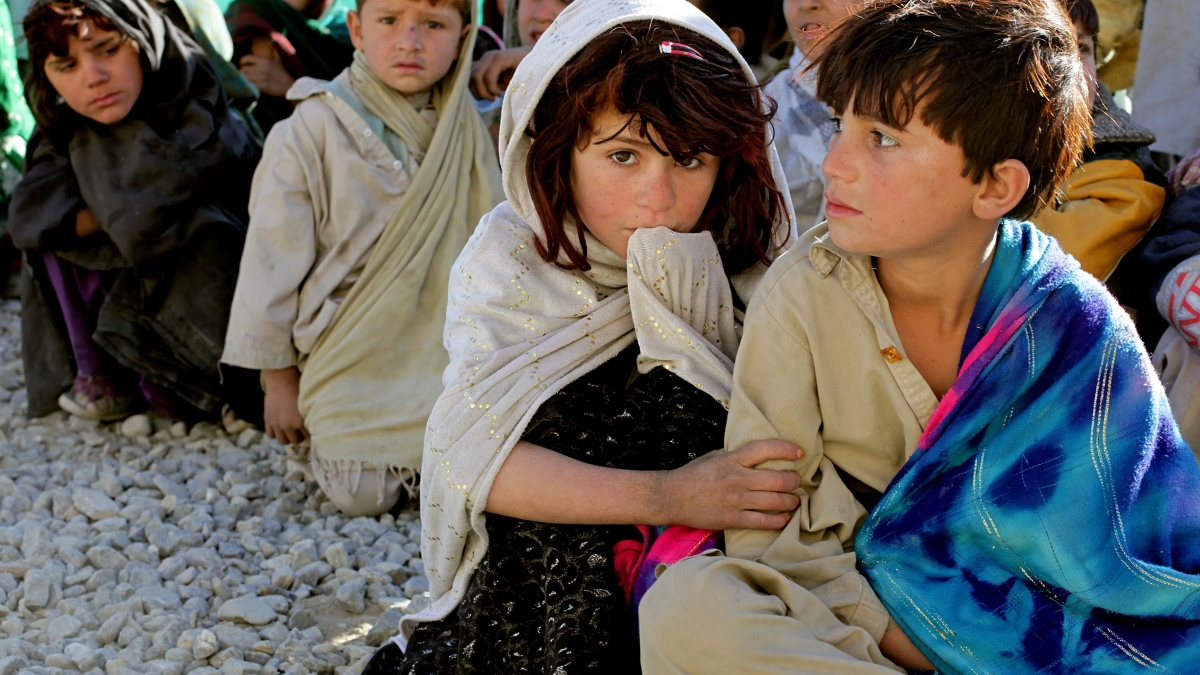
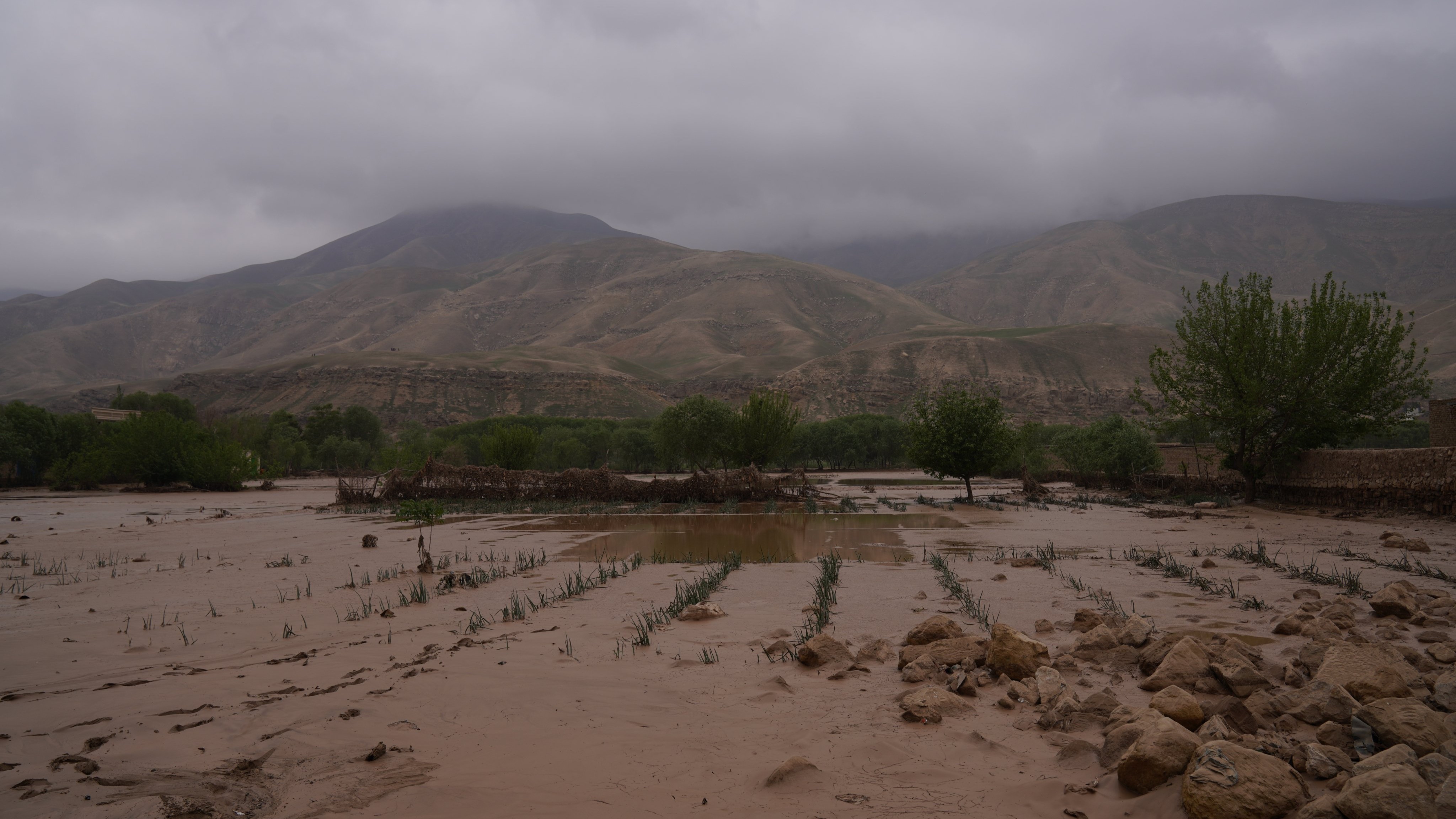
In Afghanistan, drought and flooding are no longer separate crises. While parts of the country are struggling with low rainfall, dwindling water resources and prolonged drought, intense and short-lived rainfall in other areas, and sometimes in those same dry regions, is triggering destructive flash floods.
At first glance, this seems contradictory: how can a country be both desperately short of water and overwhelmed by floods? The answer lies in the intensity and timing of rainfall, the condition of soil and vegetation, rising temperatures, and weaknesses in water management.
A recent UNICEF report offers a striking illustration of this apparent contradiction. Since March 2026, heavy rainfall, flash floods and landslides have affected 31 of Afghanistan's 34 provinces and more than 73,000 people. Homes, farmland, roads, bridges and water infrastructure have been damaged in many areas.
Yet the same report identifies 12 Afghan provinces as severely affected by drought.
Together, these two figures reveal part of the complex climate reality Afghanistan faces today: rain may fall, but that does not necessarily solve water scarcity.
More Rain Does Not Necessarily Mean More Water
Understanding this situation requires distinguishing between the amount of rainfall and the way that rain falls. When rain falls gradually over several days or weeks, some of the water has time to infiltrate the soil, increase soil moisture and, under suitable conditions, contribute to groundwater recharge. But when a large volume of rain falls within a few hours, the ground may not be able to absorb it.
Instead, water rapidly flows across the surface, enters valleys and seasonal riverbeds, and can turn into a flash flood.
A region can therefore suffer from water scarcity throughout much of the year while, on a single day, enormous volumes of water rush through it. Rather than being stored, that water may destroy homes, farmland and roads before flowing out of the area.
Put simply, the question is not only how much rain falls, but when it falls, how intensely it falls, and onto what kind of landscape.
Six Years of Drought-Like Conditions
The current crisis is not the result of a single dry season. The United Nations Office for the Coordination of Humanitarian Affairs has reported that Afghanistan is experiencing its sixth consecutive year of drought-like conditions. Reduced precipitation and above-average temperatures have increased pressure on water resources, agriculture and rural livelihoods.
This is particularly important for Afghan agriculture, because a large share of agricultural production depends directly or indirectly on rainfall, winter snow and snowmelt.
At the beginning of 2026, the UN Food and Agriculture Organization warned that reduced precipitation and below-average snow accumulation could constrain water availability during the 2026 agricultural season.
The consequences are even more direct in rain-fed farming areas. When rainfall is insufficient, soil moisture declines and crops such as wheat face greater risks. But drought does more than reduce the amount of available water. Over time, it can also alter the land itself.
When Dry Land Loses Its Ability to Absorb Rain
Healthy soil with vegetation can absorb and retain part of the rainfall it receives. Plant roots help stabilize the soil, while vegetation slows the movement of water across the surface.
Prolonged drought, overgrazing, vegetation loss, soil erosion and unsustainable land use, however, can reduce this natural capacity.
When land is dry, degraded or sparsely vegetated, intense rainfall can more readily become surface runoff. Water moves rapidly down slopes, often carrying soil and sediment with it. This creates a relationship that may initially seem surprising: Drought can make some areas more vulnerable to flooding.
In a mountainous country such as Afghanistan, this is particularly important. Many villages and agricultural areas lie along valleys and seasonal waterways. Heavy rainfall at higher elevations can send large volumes of water downstream within a very short period.
Water Arrives, but It Is Not Stored
One of the most important links in this crisis is Afghanistan's limited capacity to retain water.
The country depends on rivers, mountain snow, springs, traditional karezes and groundwater for agricultural and drinking water. Years of drought, rising demand and groundwater extraction have placed growing pressure on these resources.
UNICEF has previously warned that climate change, combined with excessive groundwater extraction, is putting Afghanistan's groundwater resources under increasing stress.
Under such circumstances, intense rainfall could become part of the solution if more of that water were able to infiltrate the ground or be stored. In many areas, however, floodwater rapidly leaves the watershed.
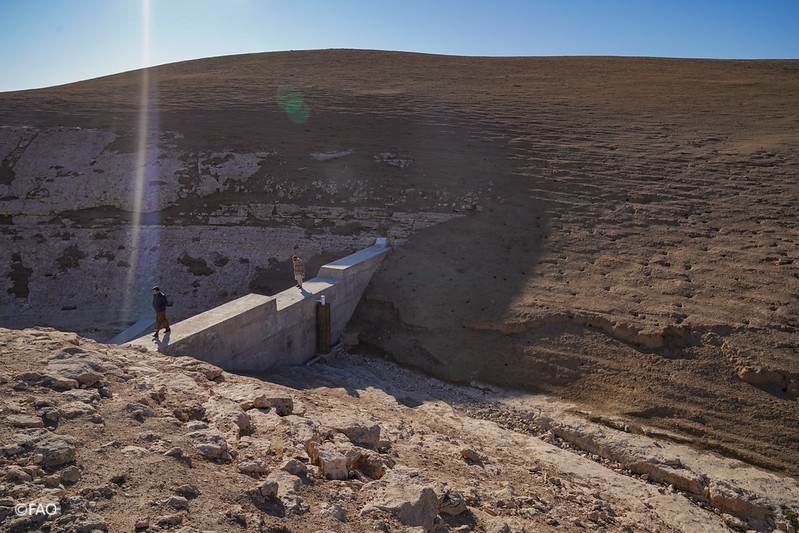
In parts of Afghanistan, FAO has supported small dams, runoff-control structures and rainwater-harvesting systems designed to slow water flows and improve groundwater recharge. These examples demonstrate that flood management and drought response do not necessarily have to be treated as two separate policies.
Water that poses a threat today could, if properly managed, become part of tomorrow's water reserves.
What Role Does Climate Change Play?
It would not be scientifically accurate to attribute every flood or every drought in Afghanistan solely to climate change. The country has always experienced periods of drought and flooding.
Climate change, however, can alter the conditions in which these events occur.
Higher temperatures increase evaporation and can accelerate the loss of soil moisture and water resources. Changes in the timing and distribution of precipitation can also mean that rainfall becomes concentrated into shorter, more intense periods rather than being distributed more evenly across a season.
As a result, an area may continue to experience overall water scarcity while simultaneously facing a greater risk from intense rainfall and flash floods.
This highlights the crucial distinction between rainfall and water security. Water security is not determined simply by how much water falls from the sky. It also depends on a society's ability to store, manage, distribute and protect that water.
Agriculture Caught Between Two Crises
Farmers are among the first to experience this double pressure.
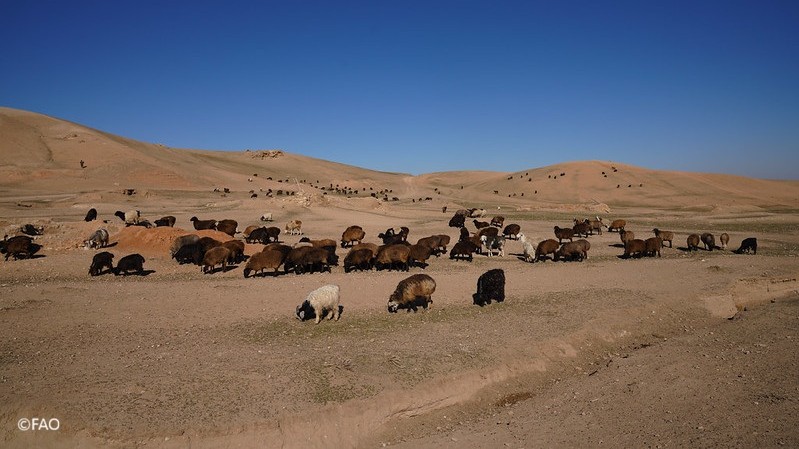
Drought can reduce harvests, dry out pastures and limit access to water and fodder for livestock. A severe flood can then erode that same dry farmland, destroy irrigation channels or wash away what remains of a crop.
According to World Food Programme data, 17.4 million people in Afghanistan are expected to face acute food insecurity in 2026. Recurrent droughts, natural hazards and irregular weather patterns are among the factors aggravating the crisis.
Water, therefore, is directly connected to food security, poverty and migration.
For a household whose livelihood depends on a few hectares of land or a small number of livestock, losing one agricultural season may be more than a temporary financial setback. It can lead to livestock sales, debt, migration or greater dependence on humanitarian assistance.
From Crisis Response to Water Management
Afghanistan cannot prevent drought or intense rainfall from occurring, but it can reduce its vulnerability to both.
Restoring vegetation and watersheds, protecting rangelands, rehabilitating traditional irrigation channels, constructing small dams and runoff-control structures, harvesting rain and floodwater, and managing groundwater sustainably could all form part of a broader strategy.
Examples of this approach already exist in Afghanistan. In Sar-e Pol province, FAO has supported small water-control structures designed to slow runoff and retain water. Their purpose is not only to reduce flood risks; they can also give water more time to infiltrate the soil and contribute to groundwater recharge.
This requires an important shift in perspective: floodwater is not simply water that must be removed as quickly as possible. In a drought-stricken country, it is also a resource that should, wherever possible, be managed and retained.
A Thirsty Country in the Path of Floods
Afghanistan's situation in 2026 can perhaps best be understood through this paradox: a country that simultaneously has too little water and suffers from too much of it.
When 31 provinces experience heavy rainfall, flooding or landslides within a matter of months while 12 provinces are simultaneously severely affected by drought, these crises can no longer be understood in isolation.
Drought, land degradation, vegetation loss, pressure on groundwater, intense rainfall and inadequate water-management infrastructure are interconnected parts of a larger problem.
Afghanistan's fundamental challenge may therefore not simply be a lack of rain.
The deeper problem is that water is often unavailable when it is needed, and when it does arrive, there is too little capacity to retain it.
Under these conditions, the future of Afghanistan's water security will depend increasingly on whether the country can move from reacting to individual disasters toward the long-term management of water, soil and watersheds.
MORE STORIES
Afghanistan’s Major Oil Refinery: Energy Self-Sufficiency or a New Environmental Cost?
El Niño and the Coming Winter: More Rain for Afghanistan - an Opportunity or a Threat?