
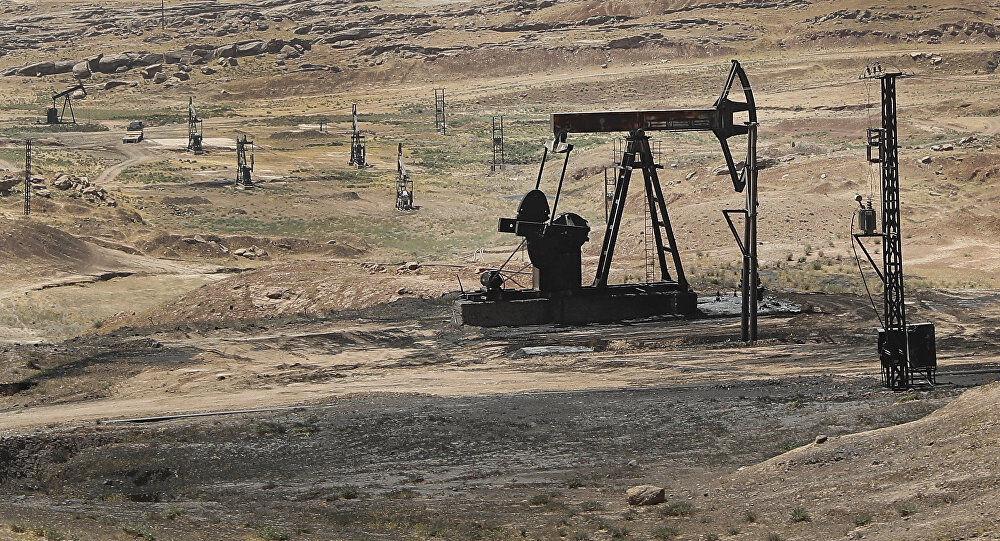
The Afghanistan Chamber of Commerce and Investment has announced plans to establish a joint-stock company to build a major oil refinery. According to the available information, the facility would have the capacity to produce 5,000 tonnes of diesel and petrol per day. The project is intended to reduce Afghanistan’s dependence on imported fuel, create jobs and strengthen the country’s energy sector.
Afghanistan imports a large share of its fuel from neighbouring countries. Developing domestic refining capacity could therefore reduce transportation costs and exposure to external markets. If managed effectively, it could also support local industry and economic activity.
Oil refining, however, is an industrial activity with potentially serious environmental consequences. Refineries generally consume large quantities of water and may release pollutants such as sulphur dioxide, nitrogen oxides, volatile organic compounds and particulate matter. Industrial wastewater, oil leakage and the improper disposal of hazardous waste can also contaminate soil, rivers and groundwater.
These risks are particularly significant in Afghanistan, which already faces water scarcity, recurrent drought, land degradation and weak regulatory institutions. The refinery’s proposed location, water source, technology and systems for treating wastewater and controlling emissions have not yet been publicly disclosed.
The Chamber of Commerce says the project will comply with technical and environmental standards. Nevertheless, it remains unclear which standards will be applied, which institution will monitor compliance, and whether an environmental-impact assessment will be published before construction begins.
The experience of gas extraction in Jawzjan also highlights the importance of independent monitoring. Approximately 650,000 cubic metres of gas are currently produced there each day. Experts have warned that poorly regulated extraction can contribute to water and soil contamination, air pollution, biodiversity loss and land subsidence. Afghan Gas Enterprise officials, meanwhile, maintain that the necessary technical and environmental requirements are being followed.
A refinery could contribute to Afghanistan’s economy and energy security, but energy self-sufficiency should not create another environmental crisis. A publicly accessible environmental-impact assessment, disclosure of the project’s location and technology, independent pollution monitoring and clear investor accountability should be prerequisites for implementation.
The central question is not simply how much oil Afghanistan will refine, but how much water, pollution and harm to local communities that energy could entail.
MORE STORIES
Afghanistan’s Major Oil Refinery: Energy Self-Sufficiency or a New Environmental Cost?
El Niño and the Coming Winter: More Rain for Afghanistan - an Opportunity or a Threat?