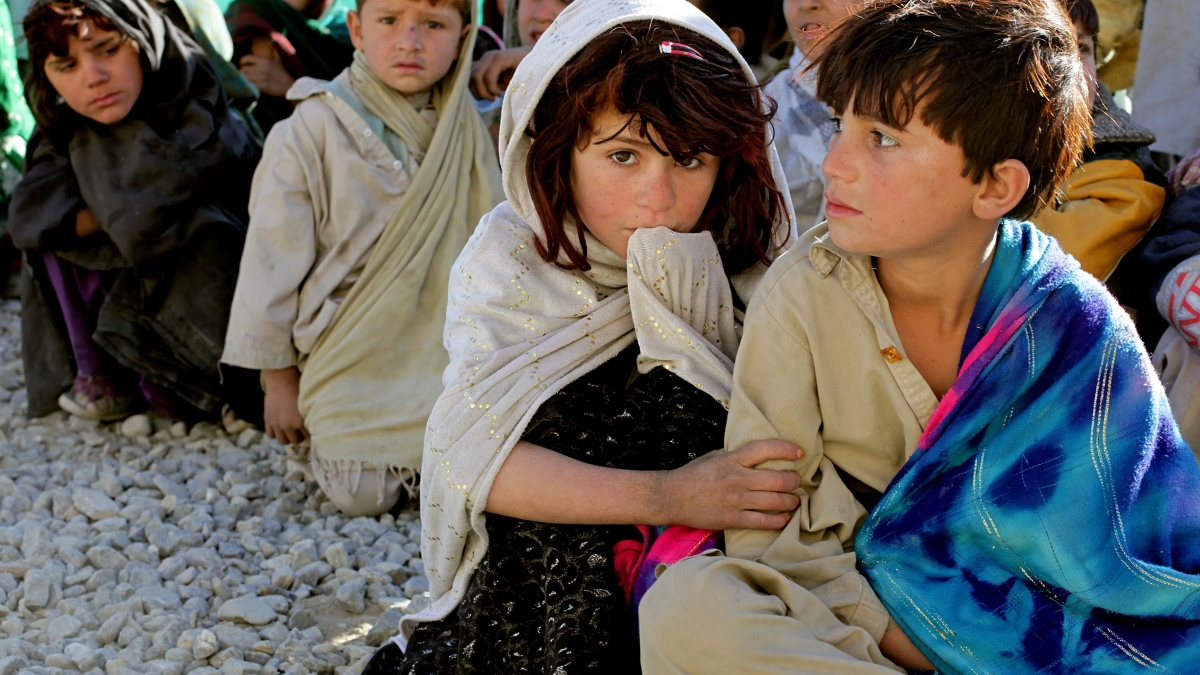
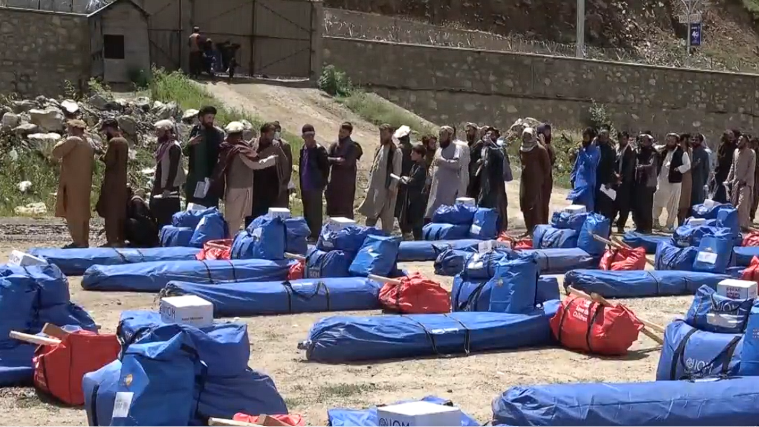
The International Organization for Migration (IOM) says flash floods in Afghanistan's Nuristan Province have caused extensive damage to homes, critical infrastructure, and local livelihoods, leaving many families in urgent need of humanitarian assistance.
According to the organization, preliminary assessments indicate that many affected households are facing shortages of shelter, safe drinking water, and food. IOM assessment teams are currently operating in the affected areas to determine the full extent of the damage and identify the most urgent humanitarian needs.
The agency said emergency relief supplies are being prepared for rapid delivery to affected communities.
Initial reports indicate that the floods have killed at least 23 people, injured several others, and damaged homes, roads, and other essential infrastructure across different parts of Nuristan Province.
IOM warned that Afghanistan has experienced increasingly frequent and severe natural disasters in recent years as climate change continues to intensify weather-related hazards. Shifting weather patterns, combined with climate phenomena such as El Niño, can increase the likelihood of heavy rainfall and destructive flash floods in parts of the country.
El Niño is a climate pattern characterized by unusually warm sea surface temperatures in the equatorial Pacific Ocean, influencing rainfall and weather conditions across many regions of the world.
Climate experts warn that Afghanistan remains among the countries most vulnerable to climate change, facing heightened risks from floods, droughts, and other extreme weather events.
IOM reaffirmed its commitment to supporting emergency humanitarian operations as climate-related disasters continue to intensify across Afghanistan.
MORE STORIES
Afghanistan’s Major Oil Refinery: Energy Self-Sufficiency or a New Environmental Cost?
El Niño and the Coming Winter: More Rain for Afghanistan - an Opportunity or a Threat?