
EQLIMA
  • Home
  • Latest
  • Hydropolitics
  • Vegetation & Land
  • Wildlife
  • Urban Environment
  • Climate Migration
  • In-Depth

Select your language

  • Français
  • فارسی
  • English
Afghanistan’s Major Oil Refinery: Energy Self-Sufficiency or a New Environmental Cost?

Afghanistan’s Major Oil Refinery: Energy Self-Sufficiency or a New Environmental Cost?

Editorial Desk 12 September 2026

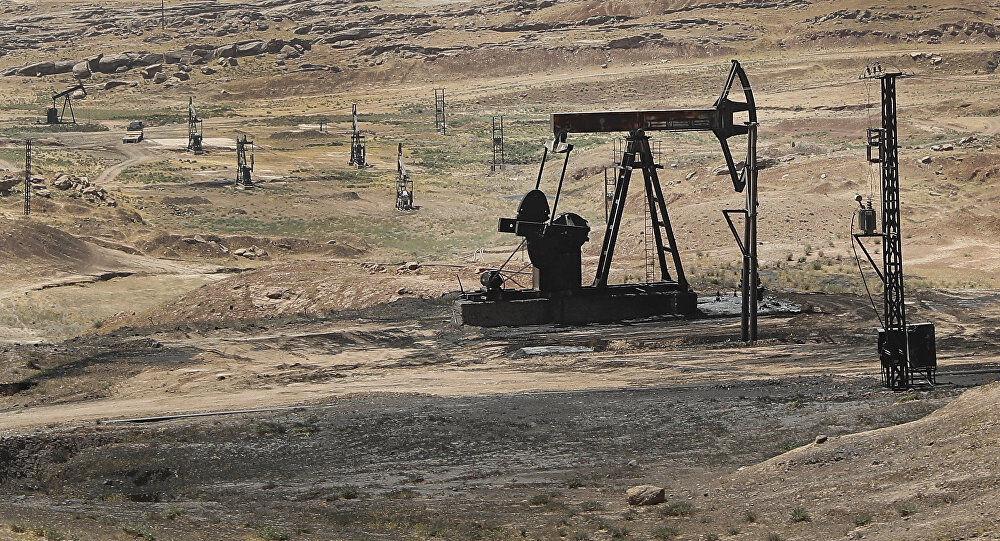
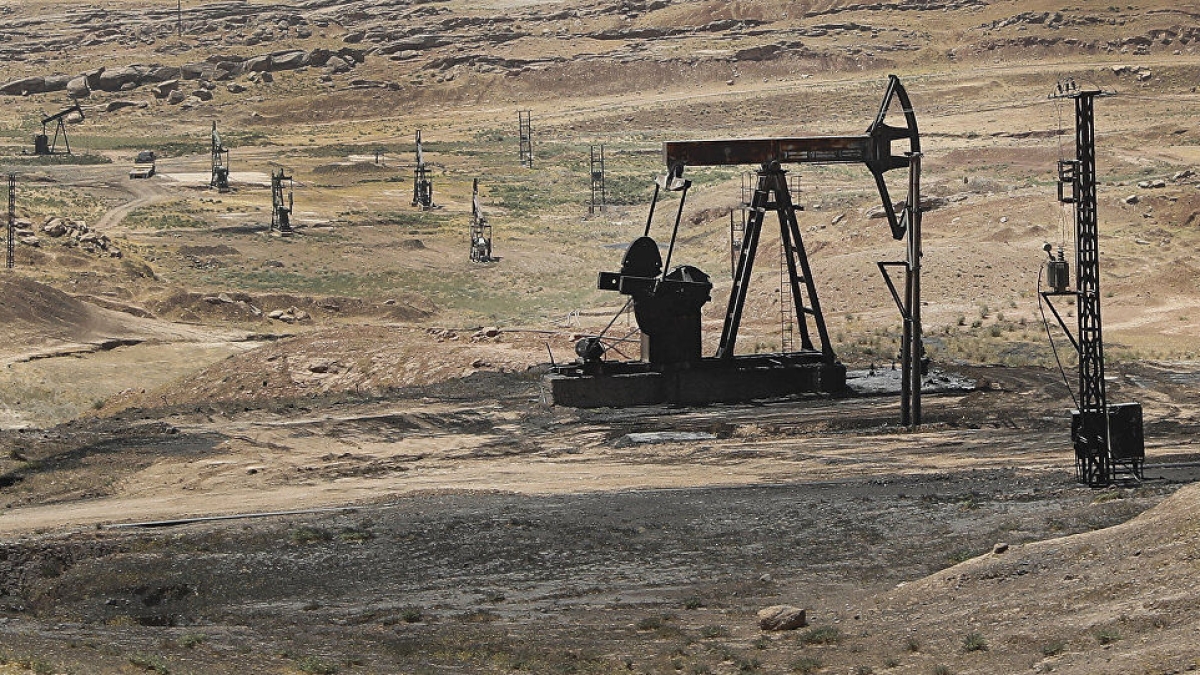
The Afghanistan Chamber of Commerce and Investment has announced plans to establish a joint-stock company to build a major oil refinery. According to the available information, the facility would have the capacity to produce 5,000 tonnes of diesel and petrol per day. The project is intended to reduce Afghanistan’s dependence on imported fuel, create jobs and strengthen the country’s energy sector.

Afghanistan imports a large share of its fuel from neighbouring countries. Developing domestic refining capacity could therefore reduce transportation costs and exposure to external markets. If managed effectively, it could also support local industry and economic activity.

Oil refining, however, is an industrial activity with potentially serious environmental consequences. Refineries generally consume large quantities of water and may release pollutants such as sulphur dioxide, nitrogen oxides, volatile organic compounds and particulate matter. Industrial wastewater, oil leakage and the improper disposal of hazardous waste can also contaminate soil, rivers and groundwater.

These risks are particularly significant in Afghanistan, which already faces water scarcity, recurrent drought, land degradation and weak regulatory institutions. The refinery’s proposed location, water source, technology and systems for treating wastewater and controlling emissions have not yet been publicly disclosed.

The Chamber of Commerce says the project will comply with technical and environmental standards. Nevertheless, it remains unclear which standards will be applied, which institution will monitor compliance, and whether an environmental-impact assessment will be published before construction begins.

The experience of gas extraction in Jawzjan also highlights the importance of independent monitoring. Approximately 650,000 cubic metres of gas are currently produced there each day. Experts have warned that poorly regulated extraction can contribute to water and soil contamination, air pollution, biodiversity loss and land subsidence. Afghan Gas Enterprise officials, meanwhile, maintain that the necessary technical and environmental requirements are being followed.

A refinery could contribute to Afghanistan’s economy and energy security, but energy self-sufficiency should not create another environmental crisis. A publicly accessible environmental-impact assessment, disclosure of the project’s location and technology, independent pollution monitoring and clear investor accountability should be prerequisites for implementation.

The central question is not simply how much oil Afghanistan will refine, but how much water, pollution and harm to local communities that energy could entail.

MORE STORIES
Afghanistan’s Major Oil Refinery: Energy Self-Sufficiency or a New Environmental Cost?
12 September 2026
The Afghanistan Chamber of Commerce and Investment has announced plans to establish a joint-stock company to build a major oil refinery. According to the available information, the facility would have...
El Niño and the Coming Winter: More Rain for Afghanistan - an Opportunity or a Threat?
09 September 2026
A strengthening El Niño could influence Afghanistan’s rainfall during the coming winter. FAO’s September seasonal climate and agricultural outlook indicates the possibility of wetter conditions—a pote...
When Drought Takes Food Away from Children
07 August 2026
Afghanistan’s malnutrition crisis has reached an alarming stage. According to the latest World Food Programme report, an estimated 3.7 million children and 1.2 million pregnant or breastfeeding women ...

El Niño and the Coming Winter: More Rain for Afghanistan - an Opportunity or a Threat?
El Niño and the Coming Winter: More Rain for Afghanistan - an Opportunity or a Threat?

Editorial Desk 09 September 2026

A strengthening El Niño could influence Afghanistan’s rainfall during the coming winter. FAO’s September seasonal climate and agricultural outlook indicates the possibility of wetter conditions—a potentially encouraging development after years of drought and declining water reserves.

Additional rain and mountain snowfall could help replenish groundwater, improve river flows, restore pastures and support winter crops. In recent years, reduced precipitation and falling groundwater levels have placed considerable pressure on Afghanistan’s farmers, livestock owners and rural communities.

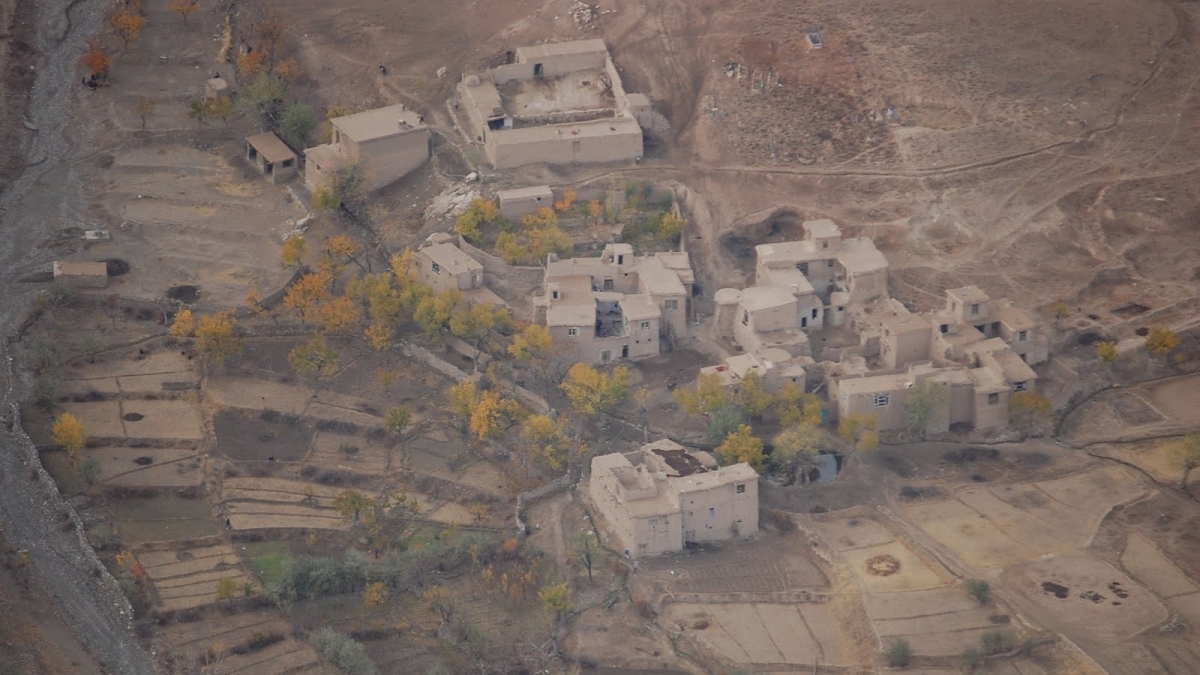
However, more precipitation does not necessarily mean an end to the country’s water crisis. Dry and degraded soil often cannot absorb intense rainfall quickly. As a result, heavy rain may generate flash floods, accelerate soil erosion and trigger landslides. Settlements, farmland and roads situated in narrow valleys or beside rivers would face particularly high risks.

The World Meteorological Organization says El Niño is intensifying and is highly likely to persist through February 2027. Nevertheless, its effects vary considerably between regions. Seasonal outlooks describe probabilities across several months; they cannot predict the exact location, timing or intensity of individual storms.

A wetter winter could therefore become an important opportunity for Afghanistan—but only if it is accompanied by effective water management, watershed protection, clearance of flood channels and functioning early-warning systems. Without such preparation, the same precipitation that helps ease water shortages could create another emergency for vulnerable communities.

MORE STORIES
Afghanistan’s Major Oil Refinery: Energy Self-Sufficiency or a New Environmental Cost?
12 September 2026
The Afghanistan Chamber of Commerce and Investment has announced plans to establish a joint-stock company to build a major oil refinery. According to the available information, the facility would have...
El Niño and the Coming Winter: More Rain for Afghanistan - an Opportunity or a Threat?
09 September 2026
A strengthening El Niño could influence Afghanistan’s rainfall during the coming winter. FAO’s September seasonal climate and agricultural outlook indicates the possibility of wetter conditions—a pote...
When Drought Takes Food Away from Children
07 August 2026
Afghanistan’s malnutrition crisis has reached an alarming stage. According to the latest World Food Programme report, an estimated 3.7 million children and 1.2 million pregnant or breastfeeding women ...

When Drought Takes Food Away from Children

When Drought Takes Food Away from Children

Editorial Desk 07 August 2026

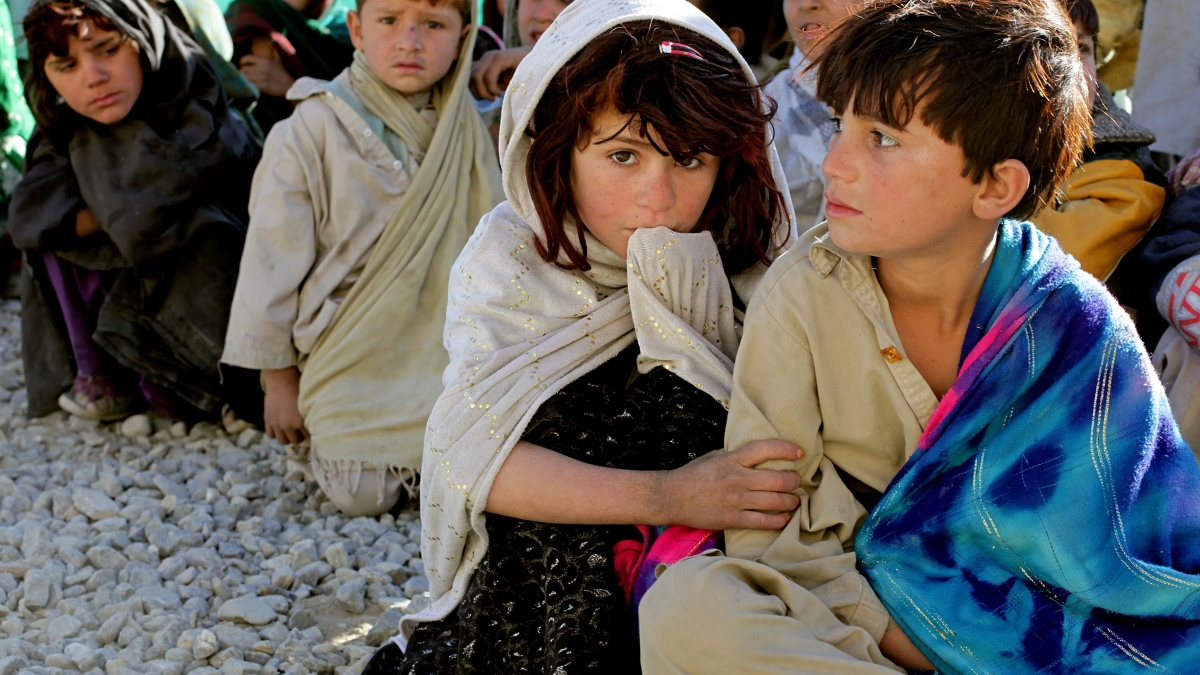
Afghanistan’s malnutrition crisis has reached an alarming stage. According to the latest World Food Programme report, an estimated 3.7 million children and 1.2 million pregnant or breastfeeding women in Afghanistan are expected to experience acute malnutrition in 2026. Child malnutrition has reached critical levels in one-third of the country’s provinces.

At the same time, Afghanistan is experiencing its sixth consecutive year of meteorological and hydrological drought. Declining rainfall, depleted water resources, extreme heat and increasingly irregular precipitation are placing agriculture and livestock farming under severe pressure and making the livelihoods of millions of rural families more vulnerable.

When water becomes scarce, the production of crops and animal fodder also declines. As a result, household incomes fall while food prices rise. Under these conditions, children are often the first to suffer from a reduction in the quality and quantity of food available to their families.

Drought, however, is not the only cause of the crisis. Flash floods, poverty, rising food prices, the return of millions of migrants, disruptions to regional trade and severe reductions in international assistance have all intensified hunger and malnutrition.

The malnutrition crisis demonstrates that climate change is not only an environmental issue. It is directly connected to children’s health, food security and future. A sustainable response requires more than emergency food assistance: it also demands the protection of water resources, investment in drought-resilient agriculture and support for rural livelihoods.

MORE STORIES
Afghanistan’s Major Oil Refinery: Energy Self-Sufficiency or a New Environmental Cost?
12 September 2026
The Afghanistan Chamber of Commerce and Investment has announced plans to establish a joint-stock company to build a major oil refinery. According to the available information, the facility would have...
El Niño and the Coming Winter: More Rain for Afghanistan - an Opportunity or a Threat?
09 September 2026
A strengthening El Niño could influence Afghanistan’s rainfall during the coming winter. FAO’s September seasonal climate and agricultural outlook indicates the possibility of wetter conditions—a pote...
When Drought Takes Food Away from Children
07 August 2026
Afghanistan’s malnutrition crisis has reached an alarming stage. According to the latest World Food Programme report, an estimated 3.7 million children and 1.2 million pregnant or breastfeeding women ...

Afghanistan: Climate Change Is Making Deadly Floods the New Normal

Afghanistan: Climate Change Is Making Deadly Floods the New Normal

Editorial Desk 26 July 2026

Flash floods are becoming increasingly frequent and deadly in Afghanistan, where climate change is intensifying extreme weather despite the country's minimal contribution to global greenhouse gas emissions. The latest floods in Nuristan have once again exposed the vulnerability of mountain communities, destroying homes, roads and livelihoods while leaving many families in urgent need of assistance.

Scientists warn that rising temperatures are accelerating glacier melt and increasing the intensity of heavy rainfall, making flash floods more likely. Combined with deforestation, environmental degradation and weak infrastructure, these hazards are turning seasonal floods into recurring humanitarian disasters.

Humanitarian organizations stress that Afghan communities often have little time to recover before the next disaster strikes. As climate-related emergencies become more frequent, improving early warning systems, disaster preparedness and climate adaptation has become increasingly urgent.

Source: Based on reporting by RFI (Radio France Internationale). Edited and condensed by the EQLIMA editorial team.

MORE STORIES
Afghanistan’s Major Oil Refinery: Energy Self-Sufficiency or a New Environmental Cost?
12 September 2026
The Afghanistan Chamber of Commerce and Investment has announced plans to establish a joint-stock company to build a major oil refinery. According to the available information, the facility would have...
El Niño and the Coming Winter: More Rain for Afghanistan - an Opportunity or a Threat?
09 September 2026
A strengthening El Niño could influence Afghanistan’s rainfall during the coming winter. FAO’s September seasonal climate and agricultural outlook indicates the possibility of wetter conditions—a pote...
When Drought Takes Food Away from Children
07 August 2026
Afghanistan’s malnutrition crisis has reached an alarming stage. According to the latest World Food Programme report, an estimated 3.7 million children and 1.2 million pregnant or breastfeeding women ...

IOM: Flood-Affected Families in Nuristan Face Shortages of Water and Food

IOM: Flood-Affected Families in Nuristan Face Shortages of Water and Food

Editorial Desk 23 July 2026

The International Organization for Migration (IOM) says flash floods in Afghanistan's Nuristan Province have caused extensive damage to homes, critical infrastructure, and local livelihoods, leaving many families in urgent need of humanitarian assistance.

According to the organization, preliminary assessments indicate that many affected households are facing shortages of shelter, safe drinking water, and food. IOM assessment teams are currently operating in the affected areas to determine the full extent of the damage and identify the most urgent humanitarian needs.

The agency said emergency relief supplies are being prepared for rapid delivery to affected communities.

Initial reports indicate that the floods have killed at least 23 people, injured several others, and damaged homes, roads, and other essential infrastructure across different parts of Nuristan Province.

IOM warned that Afghanistan has experienced increasingly frequent and severe natural disasters in recent years as climate change continues to intensify weather-related hazards. Shifting weather patterns, combined with climate phenomena such as El Niño, can increase the likelihood of heavy rainfall and destructive flash floods in parts of the country.

El Niño is a climate pattern characterized by unusually warm sea surface temperatures in the equatorial Pacific Ocean, influencing rainfall and weather conditions across many regions of the world.

Climate experts warn that Afghanistan remains among the countries most vulnerable to climate change, facing heightened risks from floods, droughts, and other extreme weather events.

IOM reaffirmed its commitment to supporting emergency humanitarian operations as climate-related disasters continue to intensify across Afghanistan.

MORE STORIES
Afghanistan’s Major Oil Refinery: Energy Self-Sufficiency or a New Environmental Cost?
12 September 2026
The Afghanistan Chamber of Commerce and Investment has announced plans to establish a joint-stock company to build a major oil refinery. According to the available information, the facility would have...
El Niño and the Coming Winter: More Rain for Afghanistan - an Opportunity or a Threat?
09 September 2026
A strengthening El Niño could influence Afghanistan’s rainfall during the coming winter. FAO’s September seasonal climate and agricultural outlook indicates the possibility of wetter conditions—a pote...
When Drought Takes Food Away from Children
07 August 2026
Afghanistan’s malnutrition crisis has reached an alarming stage. According to the latest World Food Programme report, an estimated 3.7 million children and 1.2 million pregnant or breastfeeding women ...

  1. Afghanistan Enters Summer with Strong Harvest Prospects but Growing Water Concerns
  2. Deadly floods in Afghanistan: at least 17 killed, hundreds of families affected
  3. Polluted Winds from Iran Conflict May Affect Air Quality in Afghanistan
  4. UN Warns of Elevated Flood Risk in Western and Southern Afghanistan Amid Rising Temperatures
About | Contact
Editorial Policy
Privacy Policy
  • Facebook
  • X
  • Instagram
  • Youtube
  • Whatsapp
  • Linkedin
© 2025-2026 EQLIMA. All rights reserved.
  • Home
  • Latest
  • Hydropolitics
  • Vegetation & Land
  • Wildlife
  • Urban Environment
  • Climate Migration
  • In-Depth
EQLIMA uses essential cookies to ensure the website functions properly. With your consent, we may also use optional cookies to improve your browsing experience. By continuing to use this website, you agree to our use of cookies. Learn more in our Privacy Policy.
accept